The Czech Language in the Digital Age: How Technology is Transforming Everyday Communication
The Czech language, steeped in centuries of literary and cultural tradition, is experiencing a quiet revolution. With the explosion of digital technology, the way Czechs communicate—both in speech and in writing—has shifted dramatically. From the new vocabulary of the internet era to the influence of English and automation on syntax and spelling, technological progress is reshaping Czech in ways never before imagined. What does this mean for the future of the language, and how are speakers navigating the intersection of tradition and innovation? This article dives deep into the evolving landscape of Czech, examining the forces at work and what they reveal about society, identity, and the pace of change.
New Words and Borrowings: The Digital Lexicon
One of the most visible signs of technological progress in any language is the influx of new vocabulary. Czech is no exception. Since the 1990s, with the arrival of personal computers and the internet, Czech has absorbed hundreds of new terms—many directly borrowed from English. Words such as "email" (e-mail), "server," "internet," and "software" have become ubiquitous, often with only slight adaptations to fit Czech phonetics or orthography.
.png)
But the process does not end with simple borrowing. Some terms are hybridized or fully adapted, like "mejlovat" (to email), "postnout" (to post online), or "fejkový" (fake, as in fake news). A 2022 survey by the Institute of the Czech Language found that over 65% of new technology-related terms in common use among Czechs under 30 originated from English. The speed of this linguistic adoption is unprecedented: words can go from niche jargon to mainstream slang in a matter of months, as trends and platforms surge in popularity.
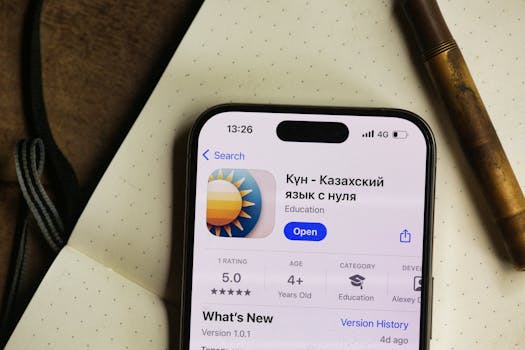
The influence of technology has also led to the creation of new Czech words or playful blends. For example, "selfíčko" (selfie) and "apka" (app, from "aplikace") reflect a tendency to shorten and localize English borrowings. This dynamic vocabulary reflects not just linguistic change, but the rapid integration of technology into Czech daily life.
Syntax and Spelling: The Impact of Digital Communication
Beyond vocabulary, technological progress is influencing the very structure of Czech. The rise of instant messaging, social media, and online forums has given birth to new conventions in syntax, punctuation, and spelling. Shortened words, omission of diacritics (háčky and čárky), and a preference for brevity mark much of online Czech—especially among younger generations.
For instance, in text messages and on platforms like Facebook or WhatsApp, it is common to see "dik" instead of "dík" (thanks), or "cau" instead of "čau" (hi). The lack of diacritical marks, once considered a major error, is now widely tolerated in informal digital contexts. A 2021 study by Masaryk University found that in over 75% of Czech text messages analyzed, diacritics were partially or completely omitted, particularly when users typed on mobile devices without Czech keyboards.
Sentence structure has also loosened. Online, Czech speakers commonly use shorter sentences and rely on context to convey meaning, echoing trends in other languages influenced by rapid digital communication. This informality contrasts sharply with more formal, written Czech, but it reflects the need for speed and efficiency in the digital era.
English Influence: Code-Switching and Hybrid Communication
Technology's global nature has brought English to the forefront of Czech communication, especially in professional and youth circles. Code-switching—alternating between Czech and English within a sentence or conversation—is increasingly common among tech-savvy Czechs. Phrases like "updatovat status" (to update one's status) or "sdílet file" (to share a file) seamlessly blend English verbs with Czech grammar.
This phenomenon is not limited to vocabulary. Certain English expressions and sentence constructions are creeping into colloquial Czech, sometimes leading to so-called "Czenglish"—a hybrid that can sound odd to traditionalists but feels natural to younger speakers. This trend is particularly visible in multinational workplaces, universities, and online gaming communities.
The table below illustrates how English borrowings and hybrid phrases are used in Czech technology-related contexts:
| English Term | Czech Equivalent | Usage Example |
|---|---|---|
| Login | přihlásit se / loginovat se | Přihlas se do systému. / Loginuj se na účet. |
| Update | aktualizace / updatovat | Musím updatovat software. |
| App | aplikace / apka | Stáhnu si novou apku. |
| Fake | falešný / fejkový | To je fejková zpráva. |
While some see this as a threat to linguistic purity, others argue that it reflects a creative adaptation to a globalized world. The debate continues, especially as English continues to dominate the tech sphere worldwide.
Automation, Artificial Intelligence, and Language Standardization
Technological progress is not only changing how people communicate; it is also shaping the tools that process language. Spellcheckers, predictive text, and language-learning apps are increasingly integrated into everyday writing. In 2023, over 80% of Czech internet users reported using some form of automated spelling or grammar correction tool, according to a survey by Seznam.cz.
Artificial intelligence (AI) is also having a profound impact. Czech-language chatbots, voice assistants, and translation apps rely on vast databases of written and spoken Czech, which in turn influence how the language is standardized. For example, the growing popularity of voice-to-text services has encouraged the simplification of sentence structure and vocabulary to ensure clearer recognition.
These technologies can inadvertently reinforce certain norms while marginalizing regional dialects or less common forms. As more official communication moves online—applications for government services, banking, and education—the standardized, "correct" Czech promoted by software may overshadow linguistic diversity. At the same time, AI-powered translation tools like Google Translate are making Czech more accessible to non-native speakers, further shaping the language's global profile.
Social Media and the Democratization of Language Change
Perhaps the most significant force driving language change is the democratizing effect of social media. Platforms like Twitter, Instagram, TikTok, and YouTube have given millions of Czechs a public voice, allowing language innovation to spread rapidly and widely.
Influencers, content creators, and online communities often serve as laboratories for new expressions, abbreviations, and memes. For example, the playful use of "lol," "cringe," or "swag"—borrowed directly from English internet slang—has become common in Czech online banter. Hashtags, emojis, and GIFs supplement or even replace traditional words, reshaping the boundaries of what counts as "language."
A 2019 analysis by the Czech Language Institute found that the adoption of new digital slang is fastest among users aged 15-24, but these expressions often cross over into offline conversation as well. The grassroots nature of these changes challenges the authority of traditional language gatekeepers, such as dictionaries and grammar guides. In effect, the Czech language is becoming more participatory, flexible, and responsive to the needs of its speakers.
Preserving Tradition Amidst Change: The Balancing Act
With so many forces at play, concerns about the "purity" and future of Czech are understandable. The Czech Language Institute and other cultural bodies have launched initiatives to promote traditional language forms and encourage the creative adaptation of foreign words rather than wholesale adoption.
For example, campaigns such as "Mluvme česky" ("Let's Speak Czech") urge the use of Czech equivalents for common tech terms, like "počítač" (computer) instead of "kompjútr," or "pošta" (mail) instead of "email." Educational programs in schools emphasize the importance of diacritics and formal grammar, even as students navigate the informal world of online communication.
At the same time, many linguists argue that language change is natural and inevitable. The challenge is not to stop the evolution, but to ensure that Czech remains expressive and adaptable in the digital age. Efforts to document new slang, update dictionaries, and develop high-quality Czech digital resources are vital to balancing innovation with tradition.
The Future of Czech: Embracing Change in a Digital World
As technological progress continues to accelerate, the Czech language stands at a crossroads. The influx of new words, hybrid expressions, and digital communication styles is transforming everyday Czech, making it more dynamic, inclusive, and attuned to global trends. Yet, this change also raises questions about identity, tradition, and the role of language in society.
The Czech experience mirrors developments in other languages faced with the challenges and opportunities of the digital age. Ultimately, the resilience of Czech lies in its ability to adapt while preserving its unique character—a task that will require creativity, vigilance, and open-mindedness from speakers, educators, and policymakers alike.