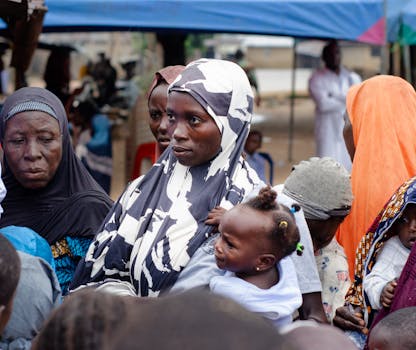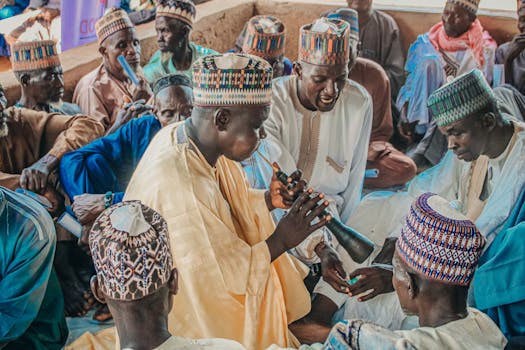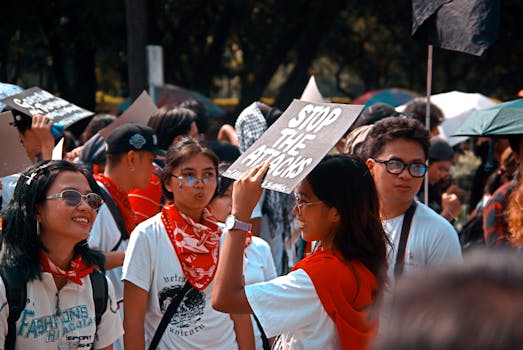
Community events are vibrant expressions of cultural identity and heritage, serving as essential platforms for showcasing diverse traditions and fostering unity within communities. These gatherings, ranging from food festivals to dance performances, are not merely entertaining; they are pivotal in preserving cultural uniqueness and enhancing social cohesion.
The Cultural Tapestry of Community Events
Community events excel in bringing together people from various backgrounds, offering a dynamic space to explore and appreciate cultural diversity. For example, at a multicultural festival, attendees can immerse themselves in a variety of traditions through music, dance, and crafts. This exposure helps cultivate a broader understanding of the rich tapestry of cultural expressions that make up a community.
.png)
Educational Impact and Cultural Preservation
These events are particularly influential as educational platforms for younger generations. They provide interactive and enjoyable learning opportunities that deepen youths' connection to their cultural roots. By engaging with their heritage in this way, children and young adults gain a profound appreciation of their history and traditions, ensuring these practices continue through time.
Economic and Artistic Benefits
From an economic perspective, community events stimulate local economies. They draw both tourists and locals, increasing spending on various services and products. Artisans and craftspeople particularly benefit, gaining the opportunity to showcase their talents and sell their creations to a wider audience. This not only supports individual artists but also helps sustain traditional crafts.
Fostering Inclusivity and Tolerance
In an increasingly globalized world, community events play a crucial role in promoting cultural diversity and tolerance. These events act as bridges, connecting different cultural groups and reducing stereotypes and prejudices. By celebrating diverse cultures together, community events foster a more inclusive and understanding society.
Innovation and Creative Expression
Community events also encourage creative expression and innovation within cultural practices. Participants are inspired to explore new forms of expression and reinterpret traditional elements to resonate with modern audiences. This dynamic approach helps keep cultural practices relevant and engaging for contemporary communities.
Organizational Challenges and Strategies
Organizing community events involves complex planning and coordination, requiring collaboration among local governments, cultural organizations, and community leaders. Effective marketing and outreach, crucial for successful events, are increasingly supported by digital platforms like social media, which enhance engagement and participation.
Addressing challenges such as funding, logistics, and inclusivity is essential for creating events that are accessible and enjoyable for all attendees, including those with disabilities. Ensuring that everyone feels welcome and engaged is key to the success of community events.
Conclusion
Community events are more than just gatherings; they are a powerful means of cultural expression and preservation. They offer significant educational, economic, and social benefits, enhancing cultural understanding and unity within societies. As we continue to navigate a diverse world, supporting and participating in community events is vital for promoting a richer, more inclusive cultural landscape.