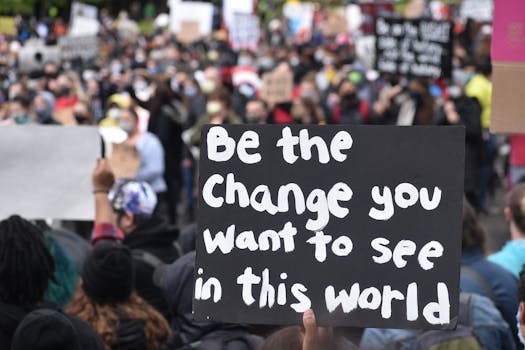
The intersection of social commentary and the arts is a dynamic force that shapes cultural landscapes and influences societal norms. As artists integrate social issues into their work, they not only reflect societal concerns but also challenge and encourage public discourse, playing a significant role in cultural and social transformation.
Historical Context and Evolution
The tradition of integrating social commentary into the arts is not a new phenomenon. Historical figures such as William Shakespeare and Charles Dickens used their literary works to comment on and criticize the socio-political landscapes of their times. Shakespeare’s plays often subtly criticized the monarchy and explored the social hierarchies of the Elizabethan era, while Dickens’ novels like "Oliver Twist" and "Hard Times" highlighted the grim realities of poverty and the class system in Victorian England.
.png)
This tradition has evolved, with modern artists like Banksy using street art to tackle contemporary issues such as consumerism, privacy, and global politics, demonstrating the persistent power of the arts as a platform for social critique.
Literature and Social Change
In literature, the power of a narrative to influence public opinion and provoke thought is profound. Harriet Beecher Stowe’s "Uncle Tom's Cabin" is a prime example; its portrayal of the brutal realities of slavery helped galvanize the abolitionist movement in the United States. More recently, literature like Margaret Atwood’s "The Handmaid’s Tale" revisits themes of control and resistance, resonating with contemporary feminist movements and discussions on bodily autonomy.
Visual Arts: A Mirror and a Hammer
Visual arts continue to reflect and shape societal issues. Paintings like Picasso’s "Guernica" capture the horrors of war and resonate as anti-war symbols, influencing perceptions and public discourse. Contemporary artists like Ai Weiwei use sculpture and installation art to comment on issues like human rights and freedom of expression, challenging audiences worldwide.
Music as a Catalyst for Social Change
Music has historically been a powerful agent of social change, providing a unifying voice during times of unrest. During the American Civil Rights Movement, songs such as "We Shall Overcome" and Marvin Gaye’s "What’s Going On" captured the spirit of the movement and helped galvanize communities to action. Today, artists like Kendrick Lamar use rap to address issues of racial inequality and police violence, illustrating how music remains a vital force in social activism.
Digital Age and Democratization of Art
The advent of social media and digital platforms has transformed the landscape of artistic expression, enabling artists to reach a global audience and engage with more diverse narratives. This democratization of art has allowed voices from marginalized communities to be heard, broadening the scope of social commentary and enriching cultural dialogues.
Challenges and Controversies
Despite its importance, the relationship between social commentary and the arts is fraught with challenges. Issues of censorship, artistic freedom, and the commercialization of socially engaged art remain contentious. The balance between conveying impactful messages and exploiting issues for commercial success is delicate and often debated.
Conclusion
The impact of social commentary through the arts is undeniable. As both a reflection of and a force for change in society, the arts play an essential role in shaping our cultural norms and values. By continuing to engage with and promote socially conscious art, society can foster an environment of reflection, critical thinking, and progressive change. As we move forward, the arts will undoubtedly continue to serve as both a mirror and a hammer, reflecting our reality and shaping our future.