The interplay between artistic perspectives and cultural trends is a fascinating subject that underscores the profound influence each has on the other. This relationship is pivotal in shaping societal norms, values, and behaviors, providing a mirror through which we can examine our collective identity and aspirations.
Artists often serve as cultural antennae, sensing shifts in societal attitudes and values before these changes become mainstream. Their works frequently reflect and synthesize complex cultural dialogues that are occurring within society. For instance, the emergence of feminist art in the 1970s, including work by artists like Judy Chicago and Barbara Kruger, not only reflected but also propelled feminist discussions into public consciousness, challenging entrenched gender norms and advocating for equality.
Similarly, environmental art of the late 20th and early 21st centuries, such as the installations by Andy Goldsworthy or Agnes Denes, mirrors growing public concern about environmental degradation and climate change. These artists integrate natural landscapes and materials, prompting viewers to reflect on their relationship with the environment and encouraging ecological mindfulness.
.png)
The influence of technology on both art and culture particularly exemplifies how cultural trends can shape artistic expression. The advent of the internet and digital technologies has given rise to entirely new art forms like digital art, net art, and algorithmic art, pioneered by artists such as Rafael Lozano-Hemmer and Lauren McCarthy. These artists use digital platforms not only as a medium but also as a subject matter, critically engaging with issues such as digital privacy, surveillance, and the human-machine relationship.
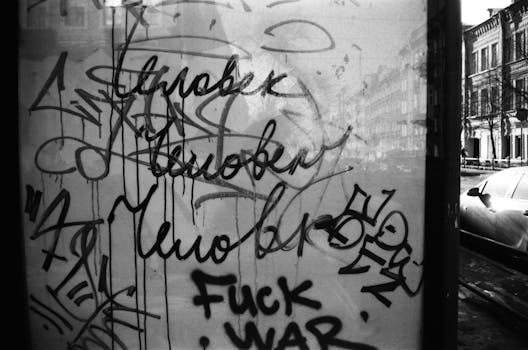
Cultural trends also influence the reception and interpretation of art. The global spread of social media has democratized art criticism, allowing diverse audiences to engage with art in unprecedented ways. Social media platforms have transformed how art is viewed, discussed, and disseminated, influencing public perception and even the value of art. This digital engagement has spurred movements such as street art, which has gained significant legitimacy and recognition in the art world, partly due to its prevalence on platforms like Instagram.
Furthermore, art itself can act as a catalyst for cultural change by challenging prevailing norms and offering new perspectives. The Dada movement, which emerged in response to World War I, ridiculed the absurdity of war through satirical art that defied conventional aesthetics and logic. This movement not only reflected societal disillusionment but also influenced post-war culture by rejecting traditional values and promoting artistic freedom.
In contemporary society, the intersection of art and culture continues to evolve with globalisation and cross-cultural exchanges further enriching this dynamic. Artists today draw on a global palette of influences and ideas, reflecting and shaping the increasingly interconnected world.
In sum, the relationship between artistic perspectives and cultural trends is a dynamic and reciprocal one, with each continuously informing and transforming the other. This intersection not only enriches our understanding of art and culture but also illuminates broader societal shifts, offering valuable insights into the evolving human experience. By engaging with this interplay, audiences can better appreciate the power of art as a reflective and transformative force in society.