Examining Cultural Trends in Community Events
Community events have long served as a mirror reflecting the evolving values, interests, and dynamics of society. In the 21st century, cultural trends in community events are not only shaped by tradition but also by rapid technological advancements, demographic shifts, and a growing desire for inclusivity. From neighborhood festivals to citywide parades and digital gatherings, these events offer a unique lens through which we can study social change and predict future directions. This article delves deeply into how community events are evolving, the cultural trends they reflect, and what this means for individuals, organizers, and society at large.
The Evolution of Community Events: A Historical Perspective
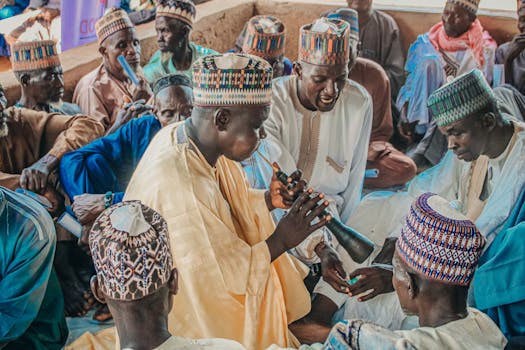
Community events have roots that stretch back centuries, often originating as religious festivals, harvest celebrations, or rites of passage. Historically, these gatherings served as essential touchpoints for reinforcing shared values, passing down traditions, and fostering a sense of belonging.
By the late 20th century, community events had begun to diversify. The rise of multiculturalism in countries like the United States, Canada, and Australia saw the introduction of new festivals and celebrations. For example, the United States Census Bureau reported that between 1980 and 2020, the percentage of Americans identifying as part of a minority group rose from 20% to over 40%. This demographic change has directly influenced the variety and nature of community events, with festivals such as Diwali in New York City, Lunar New Year parades in San Francisco, and Caribbean carnivals in Toronto drawing crowds of tens of thousands annually.
.png)
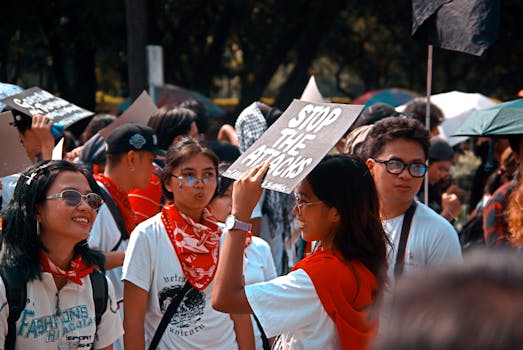
Today, community events are more than just traditional fairs or parades; they are platforms for cultural exchange, innovation, and civic engagement. The evolution from local, homogeneous gatherings to diverse, inclusive spectacles mirrors broader cultural and social trends.
Technology’s Role: From Local Gatherings to Global Participation
One of the most significant trends in community events is the influence of technology, particularly in the wake of the COVID-19 pandemic. According to Eventbrite, 67% of event organizers hosted virtual events in 2021, a dramatic increase from just 15% in 2019. Technology has transformed how people experience community events, breaking down geographical barriers and enabling global participation.
Virtual reality (VR), live streaming, and interactive platforms have given rise to "hybrid events," blending in-person and digital experiences. For example, the 2022 Notting Hill Carnival in London offered both street celebrations and a virtual platform, allowing over 1 million people to participate from their homes worldwide.
Social media has also become a powerful tool for promoting events and fostering engagement. Hashtag campaigns, live tweets, and Instagram stories allow attendees to share experiences instantly, amplifying the reach of community events and creating new forms of digital community.
Inclusivity and Representation: Reflecting a Diverse Society
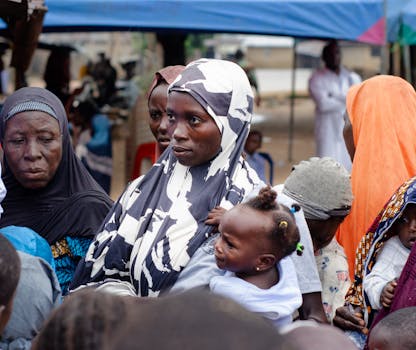
Modern community events increasingly prioritize inclusivity and representation, reflecting a broader societal shift toward equity and diversity. This trend is particularly evident in urban centers, where multicultural populations demand events that celebrate a wide array of cultures, identities, and traditions.
For instance, New York City’s Pride Parade—one of the world’s largest—saw participation from over 150 organizations representing LGBTQ+ communities and allies in 2023, attracting 2 million attendees. Similarly, Indigenous Peoples’ Day celebrations across North America have gained momentum, with more than 100 cities hosting events to honor Native cultures and histories.
Inclusive programming extends beyond cultural heritage. Many events now offer accommodations for people with disabilities, such as sensory-friendly hours and sign language interpreters. According to the Americans with Disabilities Act National Network, 38% of large-scale events in 2022 included specific accessibility features, up from just 21% in 2017.
The following table provides a snapshot of inclusivity trends in recent years:
| Year | % of Events with Multicultural Programming | % of Events with Accessibility Features | % of Events Featuring LGBTQ+ Representation |
|---|---|---|---|
| 2017 | 45% | 21% | 18% |
| 2019 | 55% | 29% | 25% |
| 2022 | 68% | 38% | 34% |
Sustainability and Environmental Awareness
Another major cultural trend shaping community events is the growing emphasis on sustainability and environmental responsibility. As climate change becomes a central global concern, event organizers are adopting greener practices to reduce their environmental footprint.
According to a 2023 report by the Green Events Organization, 61% of surveyed event planners indicated that sustainability was a top priority for their events, compared to only 32% in 2015. Popular initiatives include:
- Implementing zero-waste policies - Encouraging the use of public transportation - Sourcing local and organic food - Eliminating single-use plasticsFor example, the Glastonbury Festival in the UK banned single-use plastic bottles in 2019, preventing the use of over 1 million bottles during the event. Similarly, San Francisco’s Outside Lands Music Festival composts 90% of its waste and uses 100% renewable energy.
This trend not only reflects changing cultural values but also appeals to younger generations, with surveys showing that 73% of millennials prefer to attend events that demonstrate environmental responsibility.
Intergenerational Engagement: Bridging Age Gaps
A notable shift in recent community events is the intentional effort to create inclusive environments for all age groups. While events have traditionally targeted either children or adults, there is a growing recognition of the value in intergenerational participation.
Events such as community gardening days, neighborhood storytelling sessions, and multi-age sports tournaments provide platforms for interaction across age groups. According to a 2022 survey by the National Recreation and Park Association, 54% of respondents said they attended at least one event in the past year designed for all ages.
This trend supports social cohesion, combats ageism, and leverages the strengths and wisdom of diverse generations. For example, the annual "Generation Games" in Rotterdam, Netherlands, bring together over 2,000 participants aged 8 to 80 to compete in teams, fostering mutual understanding and connection.
Pop Culture, Creativity, and New Forms of Expression
As society becomes more interconnected and influenced by global media, pop culture and creativity have become prominent features in community events. Comic cons, cosplay gatherings, and music festivals now attract millions of participants each year, transcending traditional boundaries of age, gender, and nationality.
For instance, the San Diego Comic-Con International saw attendance reach 135,000 in 2023, with participants from over 30 countries. Such events often blend local traditions with global influences, resulting in unique cultural mashups that resonate with younger audiences and celebrate creative expression.
Additionally, art installations, workshops, and interactive performances are increasingly integrated into community events, providing platforms for local artists and creators to showcase their talents. This trend not only drives economic activity—arts and culture contribute $919.7 billion to the U.S. GDP according to the National Endowment for the Arts—but also strengthens the cultural fabric of communities.
Conclusion: The Future of Cultural Trends in Community Events
Community events remain a vibrant and evolving reflection of our cultural landscape. As technology continues to blur the lines between local and global participation, inclusivity becomes the norm, and sustainability gains ground, these gatherings are poised to play an even more significant role in shaping social norms and fostering unity.
Whether through digital innovation, environmental stewardship, or creative expression, community events will continue to provide a stage for society to celebrate its diversity, share its values, and build a collective sense of belonging. As we move forward, understanding and embracing these cultural trends will be essential for organizers, participants, and communities eager to thrive in an ever-changing world.