.png)
How Cultural Commentary Shapes Society: Influence, Change, and Contemporary Impact
Cultural commentary is everywhere, whether it comes from a film critic dissecting the latest blockbuster, a columnist analyzing shifting gender roles, or a viral social media post questioning societal norms. But what exactly is cultural commentary, and how does it impact the societies we live in? In today’s fast-paced, interconnected world, cultural commentary not only reflects the values, anxieties, and aspirations of an era, but it also actively guides conversations, influences policy, and shapes collective identity. This article explores the multifaceted ways cultural commentary shapes society—tracking its evolution, examining its mechanisms of influence, and evaluating its profound role in our everyday lives.
Understanding Cultural Commentary: Definition and Evolution
Cultural commentary refers to the analysis, critique, and interpretation of cultural phenomena, including art, media, traditions, politics, and social behaviors. Unlike pure reporting or academic study, cultural commentary interprets the significance of events and trends within a broader cultural or societal context.
The roots of cultural commentary can be traced back to ancient philosophers like Socrates, who questioned the values and practices of Athenian society. In the 18th and 19th centuries, newspapers and pamphlets provided venues for public intellectuals to shape opinion on everything from women’s rights to industrialization. Fast-forward to the 21st century, and cultural commentary has become democratized—anyone with a social media account can now offer their take, and the immediacy of digital platforms means ideas can spread globally in seconds.
A 2022 Pew Research Center survey found that 86% of American adults said they had encountered some form of cultural commentary on social media within the last month. This shift toward widespread participation has made cultural commentary more influential than ever before.
Cultural Commentary as a Driver of Social Change
One of the most significant ways cultural commentary shapes society is by driving social change. Through public debate and critique, cultural commentators can challenge the status quo, spotlight injustices, and advocate for reform.
Consider the #MeToo movement, which began as a series of personal stories shared online. Journalists, activists, and everyday people contributed commentary that not only brought attention to the prevalence of sexual harassment but also catalyzed legislative changes and corporate policy reforms across the United States and beyond. According to the Equal Employment Opportunity Commission, sexual harassment charges in the U.S. increased by 13.6% in 2018 compared to the previous year, following the movement’s viral surge.
Similarly, commentary on environmental issues—from opinion pieces in major publications to viral documentaries like "An Inconvenient Truth"—has put climate change at the forefront of public consciousness. In 2021, a global survey by the United Nations Development Programme found that 64% of people considered climate change a global emergency, a perception heavily shaped by ongoing cultural conversations.
Mechanisms of Influence: How Commentary Shapes Beliefs and Behaviors
Cultural commentary shapes society through several key mechanisms:
1. Agenda Setting: By choosing what topics to highlight, commentators influence which issues receive public and political attention. For example, sustained commentary about racial disparities in policing has led to widespread calls for reform and new legislation in multiple countries. 2. Framing: The way issues are discussed—whether as crises, opportunities, or threats—affects how people perceive them. A 2020 study by the University of Pennsylvania found that news framing could significantly alter public attitudes toward immigration policy. 3. Social Validation: When influential commentators or celebrities speak out, they validate certain viewpoints, making people more likely to adopt similar stances. Research published in the Journal of Communication in 2021 showed that celebrity endorsements of social causes can increase public support by up to 18%. 4. Emotional Resonance: Commentary that evokes strong emotions—anger, empathy, pride—tends to be more memorable and more likely to spur action. Social media algorithms often favor emotionally charged content, further amplifying its reach.Traditional vs. Digital Cultural Commentary: A Comparative Overview
The platforms and formats for cultural commentary have evolved dramatically over time. Below is a comparative table highlighting key differences between traditional and digital cultural commentary:
| Aspect | Traditional Commentary | Digital Commentary |
|---|---|---|
| Primary Medium | Print (newspapers, books, magazines), radio, television | Websites, blogs, social media, podcasts, video platforms |
| Accessibility | Limited to subscribers/readers; slower dissemination | Instant, global reach; anyone can participate |
| Gatekeeping | Editors, publishers, broadcast standards | Minimal gatekeeping; user-generated content |
| Speed of Response | Days to weeks | Seconds to hours |
| Interactivity | Letters to the editor, call-in shows (limited) | Comments, shares, direct messages, live interaction |
| Influence | High among specific audiences; slower societal impact | Broad, rapid societal impact; viral potential |
This transformation has made cultural commentary more participatory and immediate, but has also raised concerns about misinformation, echo chambers, and polarization. A 2023 MIT study found that false stories on social media are 70% more likely to be retweeted than true ones, highlighting the double-edged nature of digital commentary.
Case Studies: The Tangible Impact of Cultural Commentary
To better understand the influence of cultural commentary, let’s examine two notable case studies:
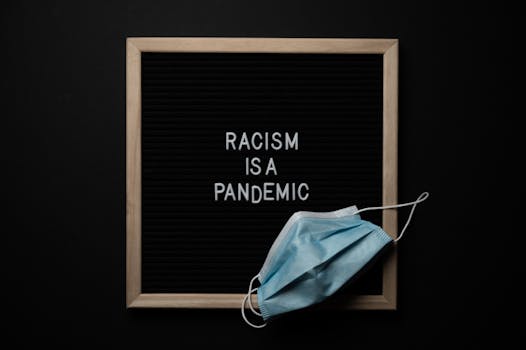
1. Television and LGBTQ+ Representation: In the 1990s, TV shows like "Ellen" and "Will & Grace" became cultural flashpoints. Commentators debated the appropriateness and impact of LGBTQ+ representation on mainstream TV. This discourse contributed to a shift in public attitudes: Gallup polls show that support for same-sex marriage in the U.S. rose from 27% in 1996 to 61% in 2016, with media representation and related commentary cited as significant factors. 2. The Black Lives Matter Movement: Following high-profile incidents of police violence, cultural commentary—ranging from op-eds to viral hashtags—galvanized global protests and policy debates. A 2020 Pew Research Center report found that 67% of U.S. adults said the increased attention to racial inequality had led them to engage in conversations about race, and 36% reported taking some form of civic action, such as contacting elected officials or attending protests.Cultural Commentary in a Globalized World
Globalization has blurred the boundaries between local and global cultural commentary. Events in one country now resonate worldwide, and commentary from diverse perspectives shapes global discourse. For instance, the #BlackLivesMatter hashtag was used in over 60 countries in 2020, sparking conversations about systemic racism far beyond the United States.
Moreover, cultural commentary increasingly addresses issues of identity, migration, and multiculturalism. The United Nations reported in 2022 that over 281 million people live outside their country of birth. This demographic shift fuels commentary that both celebrates diversity and grapples with the challenges of integration and coexistence.
The Future of Cultural Commentary: Challenges and Opportunities
Looking ahead, cultural commentary will continue to evolve alongside technology and society. Artificial intelligence, virtual reality, and new media formats offer fresh opportunities for commentary but also raise ethical questions about authenticity and manipulation.
Three key trends are likely to shape the future: - Personalization: Algorithms increasingly tailor commentary to individual preferences, risking echo chambers but also deepening engagement. - Verification: Fact-checking and media literacy initiatives are becoming more crucial as misinformation spreads. - Inclusivity: Marginalized voices are finding new platforms to contribute to the conversation, enriching the diversity of perspectives.According to the Reuters Institute Digital News Report 2023, 55% of people globally worry about distinguishing real news from fake content online, underscoring the need for critical engagement with cultural commentary.
Conclusion: The Lasting Power of Cultural Commentary
Cultural commentary is more than just opinion—it is a driving force that shapes how societies understand themselves and respond to challenges. From sparking social movements to influencing policy and redefining cultural norms, commentary acts as both a mirror and a catalyst for change. As our world becomes more interconnected and the pace of information accelerates, the role of thoughtful, responsible cultural commentary will only grow in importance. For individuals and communities alike, engaging critically with cultural commentary is essential for building a more informed, reflective, and inclusive society.