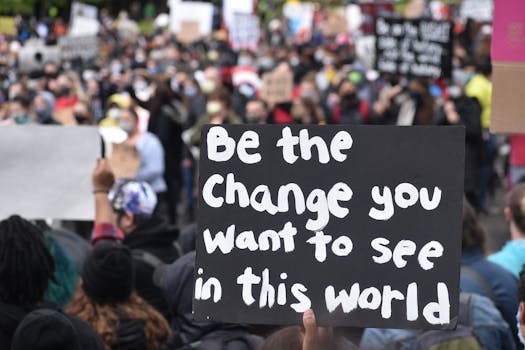
The role of social commentary in shaping our understanding of culture is both significant and multifaceted. By acting as a mirror reflecting societal norms and as a lens magnifying cultural intricacies, social commentary not only informs but also shapes perceptions, potentially altering the cultural landscape itself.
The Educational Role of Social Commentary
Social commentary provides a crucial educational function. It exposes audiences to different ways of life, belief systems, and social challenges, which might be geographically or experientially remote. For instance, a blog post detailing the celebration of Diwali in India, with its vivid descriptions of rituals and symbolism, can enlighten a reader who has never left South America, offering them a colorful glimpse into Indian culture. This educational aspect is vital in an era where digital media transcends physical borders, allowing cultural education to expand beyond traditional modes of learning such as textbooks and academic discourse.
.png)
Challenging Stereotypes
By presenting nuanced views of cultures, social commentary can challenge and dismantle stereotypes. This is particularly important in media, where portrayal bias can reinforce harmful stereotypes. A nuanced film review, for instance, that delves into the cultural contexts of a foreign film can help viewers understand the deeper narratives at play rather than viewing it through a preconceived stereotypical lens. This not only broadens the audience's perspective but also encourages a more empathetic understanding of the diversity within and between cultures.
Prompting Introspection and Progress
Social commentary often prompts introspection by critiquing cultural norms and practices. For example, a column in a major newspaper discussing the impact of consumer culture on global warming might lead readers to reconsider their own consumption habits. This introspective questioning is essential for cultural evolution, as it encourages individuals to reflect on their practices and consider more sustainable or ethical alternatives. Through such commentary, culture is not only observed and reported but also questioned and advanced.
Preserving Cultural Heritage
In the face of globalization, which often promotes a homogenized global culture at the expense of local traditions, social commentary can be an act of preservation. Highlighting specific cultural practices, endangered languages, or traditional arts can raise awareness and foster a sense of pride and responsibility towards heritage preservation. For example, a series of articles focusing on the traditional crafts of the Navajo people can spur interest and support for these arts, which in turn helps to sustain them.
Navigating the Pitfalls
Despite its benefits, social commentary is not without its pitfalls. Bias and misrepresentation can skew perceptions and foster misunderstandings rather than insight. Therefore, it is crucial for commentators to engage with cultures in a way that is informed, respectful, and thorough. Audiences, too, must approach cultural commentary with a critical eye, recognizing the potential for bias and seeking out multiple sources to gain a well-rounded understanding.
Conclusion
In sum, social commentary serves as a vital bridge connecting diverse cultures, offering insights that are both reflective and constructive. As global interaction becomes increasingly accessible through digital media, the role of social commentary in shaping cultural understanding becomes more significant and impactful. By fostering education, challenging stereotypes, promoting introspection, and preserving cultural heritages, social commentary not only informs but also enriches our global society. It encourages a deeper, more nuanced appreciation of the world's cultural diversity, reminding us of the power of words and media in shaping not just perceptions but also the very essence of cultural identity.