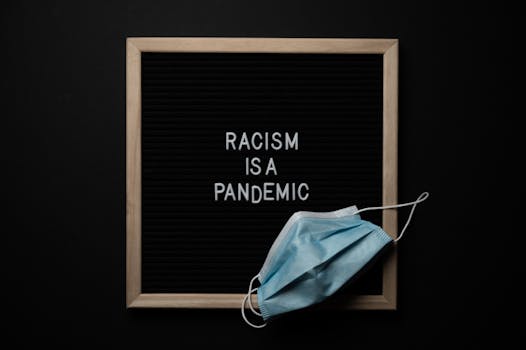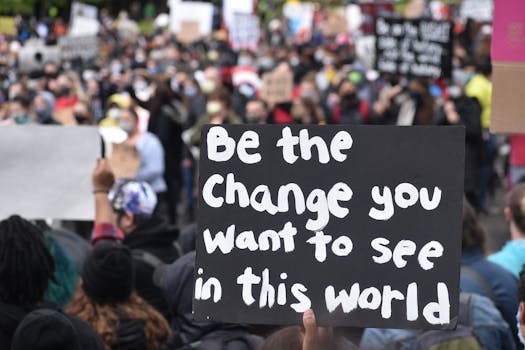
Art has always been a powerful medium for expressing opinions and reflecting societal issues. Throughout history, artists have used their work to comment on social injustices, political turmoil, and human rights, influencing public opinion and sometimes even policy decisions. This blog post explores how various forms of art have been used to address social issues and the impact they have had on society.
Visual Arts and Social Commentary Visual arts, including painting, sculpture, and installations, have long been at the forefront of social commentary. One of the most iconic examples is Picasso's "Guernica," a poignant protest against the bombing of a civilian town during the Spanish Civil War. This masterpiece not only drew international attention to the tragedy but also became a symbol of anti-war sentiment globally. Similarly, contemporary artists like Banksy use street art to tackle modern-day issues such as consumerism, privacy, and refugee crises, making complex topics accessible to a broader audience.
Photography: Capturing Stark Realities Photography is another powerful tool for social commentary. Photographers like Dorothea Lange or more recently, Kevin Carter, have captured images that starkly highlight the human condition and societal issues. Lange's photographs during the Great Depression helped bring attention to the plight of the American poor, influencing the development of social policy. Carter's haunting image of a starving child and a vulture, captured during the Sudan famine, sparked a global conversation about famine and humanitarian aid.
.png)
Film and Video in Social Exploration Film and video have also been instrumental in exploring social themes. Documentaries such as "An Inconvenient Truth" about climate change and "13th" about the intersection of race, justice, and mass incarceration in the United States, have not only educated the public but also spurred activism and policy change. Narrative films, too, play a role in shaping societal views. Movies like "To Kill a Mockingbird" and "Philadelphia" have addressed issues of racism and AIDS, respectively, impacting viewers' perceptions and attitudes.
Performing Arts: Provoking Thought and Empathy The performing arts, including theater and dance, offer a dynamic way to explore and provoke thought about social issues. Plays like "The Crucible" or "Angels in America" deal with topics of hysteria, political persecution, and the AIDS crisis, offering audiences a visceral experience that can evoke empathy and understanding. Dance performances can also reflect social issues subtly through choreography that interprets themes of oppression, freedom, and human rights.
Literature: Reflecting and Critiquing Society Literature is not to be overlooked when considering art's role in social discourse. Authors such as George Orwell with "1984" and Margaret Atwood with "The Handmaid's Tale" have created dystopian worlds that reflect and critique current social issues. These works encourage readers to question the power dynamics and societal norms prevalent in their own lives.
Digital Art and Online Activism Moreover, the digital age has introduced new forms of artistic expression through digital art and online installations, which reach global audiences instantly. Social media platforms have become venues for digital protest art, where hashtags and viral images can mobilize people across the world around social justice issues like never before.
The Profound Impact of Art on Society The impact of art on social issues is profound. It not only raises awareness but also humanizes complex issues, providing a form of expression that can be more impactful than traditional forms of communication. Art evokes emotions, prompts dialogue, and can lead to action and change. By engaging with art that explores social issues, individuals can gain new perspectives and a deeper understanding of the world around them.
In conclusion, art remains a critical voice in the dialogue about social issues. It challenges viewers, readers, and audiences to reflect on their own beliefs and behaviors and inspires them to engage in the social change process. As society continues to evolve, so too will the ways in which artists choose to comment on the world's most pressing issues, ensuring that art remains a vital part of our global conversation.