The Importance of Cultural Education in Today's Schools
In the increasingly interconnected and diverse world we live in, cultural education is essential in shaping young minds to foster inclusivity, empathy, and a comprehensive understanding of global cultures. This article delves into why cultural education is crucial in schools, the benefits it brings, and how it can be effectively implemented to enrich student learning and prepare them for the global stage.
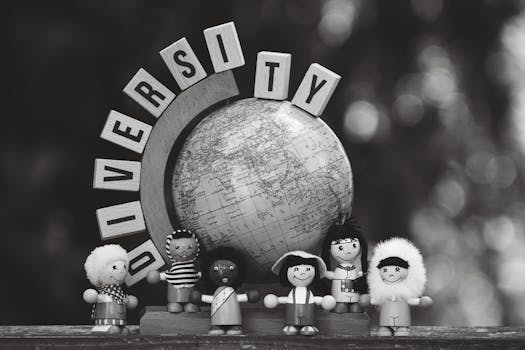
What is Cultural Education? Cultural education involves teaching students about a variety of cultures, traditions, and worldviews beyond their immediate experiences. The goal is to broaden students’ perspectives, promoting a deeper understanding and respect for the differences that diversify human societies.
.png)
Benefits of Cultural Education
- Enhanced Social Skills: Engaging with diverse cultural concepts helps students develop better communication and social interactions, crucial in a multicultural professional environment.
- Reduction of Prejudices: By providing factual, in-depth knowledge of various cultures, cultural education helps dismantle stereotypes and combat prejudice, fostering a more tolerant and inclusive society.
- Improved Critical Thinking: Students exposed to multiple perspectives through cultural education are likely to develop stronger critical thinking and problem-solving skills, enabling them to navigate complex global issues more effectively.
Effective Strategies for Implementation
- Curriculum Integration: Schools can weave cultural studies into existing subjects such as history, literature, and social studies, or establish dedicated multicultural courses to provide a structured approach to cultural education.
- Experiential Learning: Organizing field trips to museums, cultural festivals, and arranging talks with guest speakers from diverse backgrounds can make cultural education more tangible and engaging for students.
- Partnerships with Cultural Organizations: Collaborations with local cultural institutions can offer students authentic insights and resources, enhancing the educational impact.
- Leveraging Technology: Digital tools and resources, including virtual reality, can simulate immersive cultural experiences that are otherwise not easily accessible, helping students visualize and understand different cultures more vividly.
Teacher Training: To effectively deliver cultural education, teachers themselves need to be well-versed and comfortable with cultural topics. Offering professional development opportunities that focus on cultural competence can equip educators with the necessary skills and knowledge.
The Path Forward Implementing comprehensive cultural education programs requires commitment and creativity from educational institutions but can profoundly impact students' outlook and capabilities. By embracing and promoting cultural education, schools play a pivotal role in preparing a new generation of students who are well-equipped to thrive in and contribute positively to a diverse world.
In conclusion, cultural education is not just an academic addition but a necessity in today's global society. It enriches students' learning experiences and prepares them for the complexities of the modern world, ensuring they grow into well-rounded, culturally aware individuals.