Embracing Multicultural Dialogue: A Pathway to Global Harmony
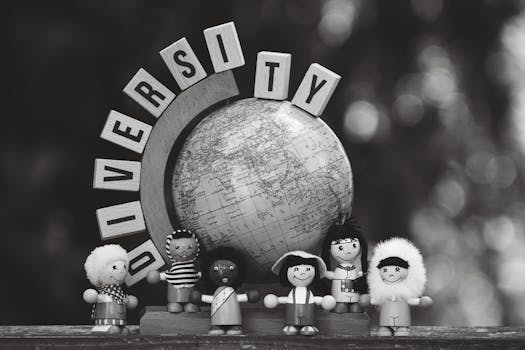
In our increasingly interconnected world, the fabric of our societies is woven with diverse threads of culture, ethnicity, and belief systems. Understanding and embracing this diversity through multicultural dialogue is not only beneficial but essential for fostering global harmony and cooperation. Here’s a deeper look at why multicultural dialogue matters and how we can effectively engage in it.
What is Multicultural Dialogue?
.png)
Multicultural dialogue involves engaging in open, honest conversations where individuals from various cultural backgrounds exchange their views and experiences. The primary aim is not to reach a consensus but to cultivate a deeper understanding and respect for differing perspectives. This process is crucial for building trust and empathy among diverse groups.
Why Multicultural Dialogue Matters
- Promotes Social Cohesion:
By facilitating better understanding and reducing conflicts that stem from cultural misinterpretations, multicultural dialogue strengthens the social fabric of communities.
- Enhances Cultural Awareness:
Regular interaction with diverse cultures broadens one's worldview and deepens appreciation for other traditions and practices.
- Drives Personal and Professional Development:
Exposure to diverse perspectives can challenge personal biases and stimulate intellectual growth, enhancing problem-solving skills and creativity.
Effective Strategies for Multicultural Dialogue
- Approach with Openness:
Enter conversations with a willingness to learn and understand, rather than to persuade or correct.
- Find Common Ground:
Identifying universal values or shared experiences can serve as a foundation for deeper dialogue and connection.
- Respect Cultural Nuances:
Pay attention to differences in communication styles and social norms to avoid misunderstandings and foster a respectful dialogue environment.
Leveraging Technology for Broader Engagement
Digital platforms offer unprecedented opportunities for initiating and sustaining multicultural dialogue across global boundaries. Tools such as virtual meeting software, forums, and social media can help bridge the physical distance between diverse groups, allowing for continuous and scalable conversations.
Overcoming Challenges
Despite its benefits, engaging in multicultural dialogue comes with challenges such as language barriers, cultural biases, and entrenched stereotypes. Overcoming these obstacles requires:
- Continuous Education: Regularly educating oneself and others about different cultures and perspectives.
- Patience and Persistence: Staying committed to dialogue despite difficulties and misunderstandings.
- Institutional Support: Encouraging schools, workplaces, and communities to facilitate and value multicultural interactions.
The Role of Leaders and Organizations
Leaders and organizations play a pivotal role in promoting multicultural dialogue by:
- Setting Examples: Leading by example and demonstrating a commitment to multicultural understanding.
- Providing Resources: Offering training and resources to help individuals engage effectively in multicultural dialogue.
- Creating Platforms: Designing spaces and opportunities for these conversations to occur, both online and offline.
Conclusion
As our world grows smaller through globalization, the need for multicultural dialogue grows larger. By actively participating in these conversations, we not only enrich our own lives but also contribute to a more peaceful, empathetic, and cooperative global community. Embracing the principles of multicultural dialogue can transform the way we interact with the world, paving the way for a more inclusive and harmonious future.