The intersection of heritage, traditions, and art forms a rich mosaic that shapes the cultural landscapes of societies worldwide. Each of these elements, while distinct, synergizes with the others, offering a deeper insight into the human experience and shaping both community and individual identities. This exploration delves into how these cultural aspects interact and influence each other, continually evolving to reflect the dynamics of human societies.
Heritage: The Bedrock of Culture Heritage represents the legacies of the past, what we experience today, and what we intend to hand down to future generations. It encompasses both tangible assets like monuments, landscapes, and artifacts, and intangible elements such as folklore, traditions, and languages. Heritage forms the historical framework that informs cultural practices and beliefs, serving as both a repository of knowledge and a source of identity for communities.
Traditions: The Threads of Continuity Traditions are the practices and beliefs handed down through generations, acting as the threads of continuity that connect the past to the present. These traditions include everything from culinary methods and festive celebrations to artistic techniques and storytelling. They forge a sense of identity and belonging, offering stability and continuity amid the changing tides of time.
.png)
Art: A Mirror and Challenger of Cultural Norms Art, whether visual, performing, or literary, is a profound medium of expression and communication. It reflects societal values and norms, often challenging them by presenting new perspectives or highlighting overlooked narratives. Art not only mirrors cultural conditions but also stimulates dialogue, prompts introspection, and fosters understanding.
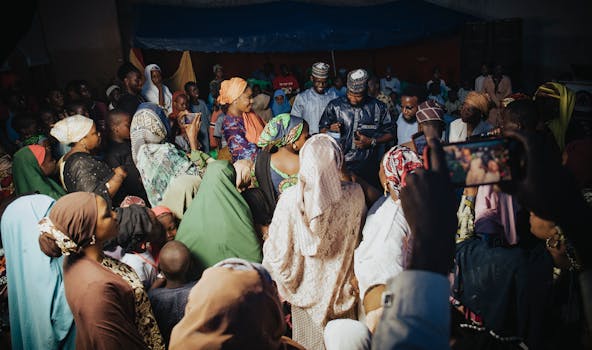
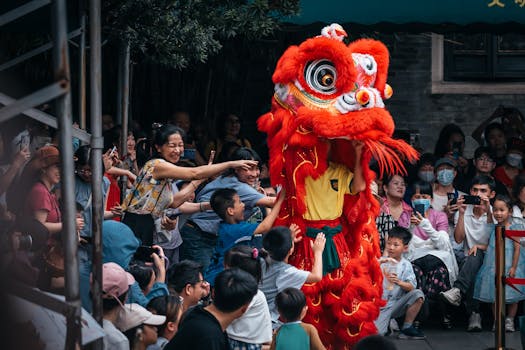
Dynamic Fusion at Cultural Crossroads The convergence of heritage, traditions, and art is not just an intersection but a dynamic fusion, where cultural expressions and historical contexts meld. For example, traditional dances at cultural festivals often include historical costumes and music passed down through generations, serving both as artistic displays and enactments of cultural heritage.
Crafts: Artistic Expressions of Historical Significance In many cultures, traditional crafts blur the lines between art and heritage. Japanese pottery and French tapestry weaving, for instance, carry centuries of history and cultural significance. These crafts are not only artistic expressions but also embodiments of skills and aesthetic principles inherited from previous generations. The survival of these crafts hinges on their continued relevance and practice within contemporary society, a challenge in an era dominated by globalized production.
Art’s Role in Reinterpreting Traditions Contemporary artists often revisit traditional themes or techniques but adapt them to comment on current realities or issues. Artists like Yinka Shonibare highlight heritage and traditions through their work, using African textiles in European historical contexts to discuss themes like cultural identity and colonialism, thus encouraging cultural dialogue and reflection.
Cultural Festivals: Celebrations of Artistic and Historical Synthesis Festivals and cultural events epitomize the intersection of heritage, traditions, and art. The Day of the Dead in Mexico, for example, merges indigenous rituals with Catholic influences, displaying altars that are both artistic and commemorative, celebrating the deceased with music, dance, and visual art, and illustrating the profound links between these cultural pillars.
The Digital Expansion of Cultural Intersections The digital age has transformed how heritage, traditions, and art intersect, enabling the preservation and global sharing of cultural expressions. Digital platforms like virtual museums and online exhibitions make cultural artifacts accessible worldwide, transcending geographical and socio-economic barriers. Social media also plays a crucial role, allowing individuals to share and reinterpret traditions and heritage through their artistic creations.
Conclusion: A Continuous Cultural Evolution The interplay of heritage, traditions, and art is a vibrant, evolving space where cultural expressions are preserved, challenged, and reimagined. This dynamic interplay not only helps cultures maintain their relevance and vibrancy in a rapidly changing world but also fosters global understanding and unity. By exploring and celebrating these intersections, we enrich our collective human experience, ensuring that the diverse tapestry of global cultures continues to inspire and educate generations to come.