.png)
Promoting Cultural Education through Creative Expression
Introduction
In an increasingly interconnected world, cultural education is no longer confined to textbooks and traditional classroom lectures. Today, fostering cultural understanding and appreciation is taking on new forms—most notably through creative expression. From visual arts and music to theater, dance, and digital media, creative outlets provide unique avenues for people of all ages to explore, celebrate, and transmit cultural values. According to UNESCO, over 80% of countries now incorporate some form of cultural or artistic education in their national curricula, underscoring the importance of creative expression in cultural learning. This article explores how creative expression serves as a dynamic catalyst for promoting cultural education, highlights key benefits, examines innovative programs, and discusses the transformative impact on communities and individuals.
The Power of Creative Expression in Cultural Learning
Creative expression—whether through arts, music, dance, or storytelling—acts as a bridge between cultures and generations. It moves beyond passive learning, inviting individuals to actively participate in the discovery process. For example, a 2019 study by the Brookings Institution found that schools emphasizing arts integration saw a 13% increase in student engagement and cultural awareness compared to those with traditional curricula.
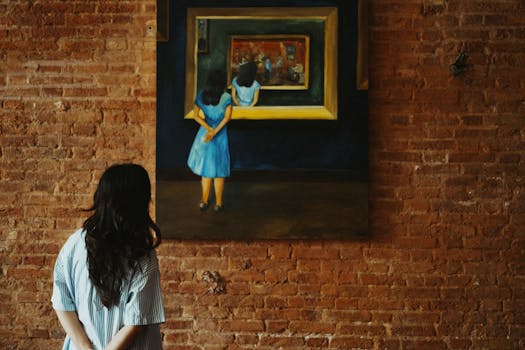
Unlike rote memorization or reading from static materials, creative activities encourage learners to experience culture viscerally. Painting a mural inspired by indigenous traditions, composing music based on folk themes, or performing plays rooted in historical events immerse participants in the textures, sounds, and emotions of different cultures. This experiential approach helps learners internalize values, customs, and histories in a memorable, meaningful way.
In addition, creative expression fosters empathy. When individuals create art or perform pieces from cultures other than their own, they gain unique insights into the lived experiences and worldviews of others, nurturing mutual respect and global citizenship.
Examples of Creative Expression Promoting Cultural Education
Across the globe, educators, artists, and community leaders are harnessing creative expression to make cultural education more engaging and impactful. Here are a few illustrative examples:
1. Storytelling Festivals: In Kenya, the Sigana International Storytelling Festival brings together narrators from diverse backgrounds to share folktales and legends. Through storytelling, participants and audiences gain a deeper understanding of the values, humor, and wisdom embedded in different cultures. 2. School Mural Projects: In the United States, the "Walls Speak" initiative in Los Angeles schools invites students to design and paint murals that reflect their family histories and community traditions. These public artworks spark conversations about heritage and belonging, turning school corridors into vibrant, educational galleries. 3. Cultural Music Workshops: The Silkroad Project, founded by cellist Yo-Yo Ma, organizes workshops where young musicians learn to play instruments and styles from various Silk Road countries. Through collaborative performances, participants explore the interconnectedness of musical traditions and histories. 4. Digital Cultural Archives: Platforms like the "Endangered Languages Project" empower youth to document and creatively present their native languages through videos, poetry, and digital storytelling, preserving linguistic heritage for future generations.These initiatives demonstrate that creative expression isn't just a supplement to cultural education—it is a central, transformative force.
Benefits of Integrating Creative Expression in Cultural Education
Bringing creativity into cultural education yields a wide range of benefits for learners, educators, and communities:
- Enhanced Retention: Research by the Arts Education Partnership indicates that students who participate in arts-integrated cultural programs retain 30% more information compared to those who follow traditional learning methods. - Improved Communication Skills: Creative projects often require collaboration, discussion, and presentation, helping participants develop language and interpersonal skills. - Increased Cultural Competence: According to a 2021 survey by the International Society for Education through Art, 72% of students involved in cross-cultural arts projects reported feeling more knowledgeable and respectful of other cultures. - Greater Inclusivity: Creative expression allows people from different backgrounds and abilities to participate meaningfully, making cultural education accessible to a wider audience. - Personal and Social Growth: Engaging in creative cultural activities builds confidence, resilience, and a sense of belonging, especially for marginalized or minority groups.Comparative Overview: Traditional vs. Creative Cultural Education
To better understand the impact of creative expression, it's helpful to compare it against more conventional approaches to cultural education. The table below outlines key differences:
| Aspect | Traditional Cultural Education | Creative Expression in Cultural Education |
|---|---|---|
| Learning Style | Passive (lectures, reading) | Active (hands-on creation, performance) |
| Retention Rate | Lower (less than 50% retention after 6 months) | Higher (up to 80% retention after 6 months) |
| Engagement Level | Moderate | High |
| Skills Developed | Memorization, basic analysis | Creativity, empathy, collaboration, critical thinking |
| Accessibility | Often language or literacy dependent | Inclusive of various learning styles and abilities |
| Cultural Depth | Focus on facts and history | Immersive experience of values, emotions, and traditions |
This comparison highlights why educational policymakers and practitioners are increasingly turning to creative approaches to deepen cultural understanding.
Innovative Approaches and Global Initiatives
Around the world, inventive programs are reimagining how creative expression can promote cultural education on a larger scale. Some notable initiatives include:
- UNESCO’s “Arts Education Week”: Celebrated annually in over 100 countries, this event encourages schools and cultural institutions to hold workshops, exhibitions, and performances that celebrate global heritage through the arts. - The British Council’s “Connecting Classrooms through Global Learning” project: By linking students in 36 countries, this program uses collaborative art and media projects to build intercultural skills and mutual understanding. - Australia’s “Indigenous Languages and Arts Program”: With funding of over AUD 20 million in 2023, this initiative supports projects where Indigenous artists work with youth to create music, dance, and film that reflect traditional knowledge and stories.These programs not only enrich participants’ cultural knowledge but also foster networks of cooperation and respect across borders.
Creative Expression as a Tool for Social Cohesion and Identity
Beyond individual learning, creative expression in cultural education plays a crucial role in strengthening social bonds and forging collective identity. Community art projects, for instance, can help neighborhoods heal after conflict or celebrate shared milestones. The “Memory Project” in Colombia, for example, engaged survivors of conflict to create visual diaries and theater performances, promoting reconciliation and dialogue.
In immigrant and refugee communities, creative workshops that blend host and home cultures—such as fusion dance classes or intercultural theater—aid in the complex process of integration. Participants in these programs often report feeling more accepted and better able to express their hybrid identities. According to a 2022 report by the Migration Policy Institute, 68% of young refugees involved in arts-based cultural education felt a greater sense of belonging in their new communities.
Additionally, creative expression helps preserve endangered traditions by passing them on in engaging, contemporary formats. Digital storytelling, for example, enables elders to share oral histories with younger generations across time and space, keeping cultural memory alive.
Challenges and Considerations
While the benefits are substantial, integrating creative expression into cultural education is not without its challenges:
- Resource Constraints: Not all schools or communities have access to art materials, trained facilitators, or dedicated spaces for creative activities. - Cultural Sensitivity: Educators must ensure that creative projects respect and accurately represent the cultures being explored, avoiding stereotypes or cultural appropriation. - Assessment Difficulties: Measuring the outcomes of creative cultural education can be more complex than traditional tests, requiring new assessment tools and approaches. - Digital Divide: Online creative platforms can widen gaps between those with and without reliable internet or digital skills.Addressing these challenges requires investment in teacher training, community partnerships, and policy support to ensure that creative cultural education is inclusive and effective.
Conclusion
Creative expression stands at the forefront of a new wave in cultural education. By moving beyond passive consumption of information to active creation, performance, and collaboration, individuals gain deeper, more personal insights into the world’s cultures. From murals and music to digital storytelling and community theater, these expressive avenues foster empathy, bridge divides, and preserve traditions for future generations. As policymakers, educators, and cultural leaders continue to innovate, supporting creative expression can unlock the full transformative potential of cultural education—empowering individuals and strengthening societies in the process.