Migration is a subject that has shaped and reshaped societies for centuries, influencing languages, traditions, foods, and entire ways of life. In the heart of Europe, the Czech Republic stands as a fascinating example of how waves of migration have left visible and invisible marks on the nation’s culture. Far from being a static, homogeneous society, Czech culture is a vibrant tapestry woven from centuries of movement, exchange, and adaptation. In this article, we explore how migration influences Czech culture by looking at historical trends, personal stories, community projects, and concrete data. We’ll also examine innovative initiatives that foster intercultural dialogue, and share insights into how Czechs themselves perceive and embrace these cultural changes.
The Historical Tides: Migration’s Long Legacy in Czech Lands
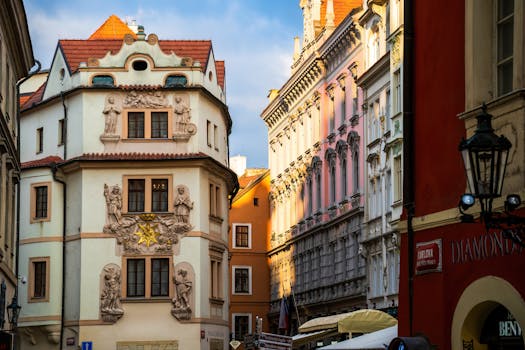
To understand the impact of migration on Czech culture, it’s important to look back at the country’s history. The land that is now the Czech Republic has always been a crossroads of Europe. Celts, Germanic tribes, Slavs, and later Jews, Germans, Hungarians, and Roma communities all left their mark. In the 19th and early 20th centuries, Prague was a cosmopolitan city, home to Czechs, Germans, and Jews, resulting in a unique blend of architecture, cuisine, and literature.
The 20th century brought dramatic changes. The expulsion of Germans after World War II, the Holocaust’s decimation of Jewish communities, and the imposition of Communist rule led to a period of relative cultural closure. However, the Velvet Revolution in 1989 opened the country once again to the world. Today, the Czech Republic is home to over 600,000 foreign-born residents, representing about 5.6% of the population as of 2023. Major migrant groups include Ukrainians, Slovaks, Vietnamese, and Russians, each adding their own customs and traditions to the Czech mosaic.
.png)
Contemporary Migration: Who Is Shaping Czech Culture Today?
Today’s Czech Republic is more diverse than ever. According to the Czech Statistical Office, as of 2023, the largest migrant communities in the country are:
- Ukrainians: 229,000 - Slovaks: 117,000 - Vietnamese: 65,000 - Russians: 40,000Other significant groups include Poles, Bulgarians, Romanians, and Moldovans. The Ukrainian population has increased rapidly since the outbreak of war in Ukraine in 2022, not only changing the demographic landscape but also introducing new elements of culture—language, music, food, and religious practices.
Vietnamese migration began during the Communist era, when guest workers were invited to Czechoslovakia. Over time, the Vietnamese community established itself as one of the most visible and economically active minorities. Today, Vietnamese-Czech entrepreneurs run thousands of shops and restaurants, and the fusion of Vietnamese and Czech cuisine is increasingly popular in urban centers.
Czech society is gradually evolving from a monoethnic identity to a more pluralistic one. This is most evident in Prague and Brno, where foreign languages are heard in schools, workplaces, and cultural spaces. In 2022, the Ministry of Education reported that 10% of pupils in Prague’s primary schools were children with a foreign mother tongue.
Stories of Integration: Personal Narratives that Transform Culture
The influence of migration on Czech culture is perhaps best captured through personal stories. Consider the tale of Tran Thi Lan, who arrived from Vietnam in 1995 and opened a small Vietnamese bistro in Brno. Initially serving only the local Vietnamese community, she gradually adapted her recipes to suit Czech tastes—using less chili, adding more local vegetables—and soon attracted Czech customers. Today, her Pho Bo is a local favorite, and her restaurant is a meeting point for both communities.
Similarly, the Ukrainian band “Prague Maidan” emerged in 2014, blending traditional Ukrainian folk music with Czech lyrics to reach broader audiences. Their performances at public events helped foster understanding and solidarity during the 2022 refugee influx.
Another inspiring example is the “Slováci v Praze” (Slovaks in Prague) community, which organizes cultural events, language exchanges, and social meetups. With Czechs and Slovaks sharing a close but distinct history, these activities both celebrate difference and reinforce shared roots.
Such stories illustrate how migration is not just about numbers, but about real people who shape and are shaped by their new home. Through food, music, and community engagement, migrants and locals together create new traditions.
Community Projects Bridging Cultures
Migration’s impact on culture goes beyond individual stories—it is also realized through innovative community projects. In recent years, NGOs, local governments, and grassroots groups have launched initiatives to foster intercultural dialogue and inclusion.
One prominent example is the “Next Door Family” project, which began in Prague and has since expanded nationwide. Each year, hundreds of Czech and migrant families are paired to share a meal in each other’s homes. The goal is simple: break down stereotypes by building personal connections. According to project organizers, over 4,000 families have participated since 2004, and 87% of Czech hosts report a more positive attitude toward migrants after the experience.
Another noteworthy project is “Integration through Art,” a program run by the NGO Slovo 21, which brings together artists from migrant and Czech backgrounds to collaborate on public exhibitions, murals, and performances. These collaborative works have been displayed at venues such as the DOX Centre for Contemporary Art, showcasing how creativity can bridge cultural divides.
In education, the “Intercultural Assistant” initiative places trained assistants in schools with high numbers of migrant pupils. These assistants help facilitate communication between teachers, students, and parents, and support children’s adaptation. As of 2022, over 300 schools across the country participate in the program.
Comparing Cultural Influence: Native vs. Migrant Traditions
To better understand the tangible impact of migration, it’s useful to compare how native and migrant traditions interact in daily Czech life. The table below highlights key areas of cultural influence.
| Cultural Aspect | Traditional Czech | Migrant Influence | Example of Fusion |
|---|---|---|---|
| Cuisine | Svíčková, Goulash, Dumplings | Vietnamese Pho, Ukrainian Borscht, Balkan Grilled Meats | Pho with Czech root vegetables, Borscht served in pubs |
| Festivals | Masopust, Easter, Christmas | Tet (Vietnamese New Year), Ukrainian Malanka | Multicultural festivals in Prague, blended holiday markets |
| Music | Folk, Polka, Classical | Roma Gypsy, Balkan Brass, Ukrainian Folk | Collaborative concerts, fusion bands |
| Language | Czech, Slovak | Vietnamese, Ukrainian, Russian, English | Bilingual schools, Vietnamese-Czech dictionaries |
| Religious Practices | Catholic, Protestant | Buddhist, Orthodox, Islam | Interfaith initiatives, shared places of worship |
This table demonstrates how migration does not erase native traditions but enriches them, creating new hybrids and broadening cultural horizons.
Challenges and Opportunities: Navigating Multiculturalism in Czech Society
Despite the many positives, the integration of migrants into Czech society has not been without challenges. Language barriers, discrimination, and administrative hurdles remain significant issues. According to a 2022 survey by STEM/MARK, 27% of Czechs felt “uneasy” about the increasing number of foreigners, while 58% expressed support for integration programs.
On the other hand, the presence of diverse communities has spurred innovation and adaptation. For example, Czech language courses for migrants are now widely available, with over 15,000 participants annually. The Czech government also launched the “Strategy for the Integration of Foreigners 2021–2027,” aiming to improve access to education, healthcare, and employment for migrants.
The COVID-19 pandemic highlighted both the vulnerabilities and strengths of migrant communities. During the crisis, Vietnamese shop owners were among the first to provide free facemasks to their Czech customers. Ukrainian volunteers played a vital role in supporting new arrivals. These acts of solidarity have contributed to more positive perceptions and a sense of shared destiny.
Why Migration Matters for Czech Culture’s Future
Migration is often discussed in economic or political terms, but its cultural dimension is equally important. In the Czech Republic, migrants are not only workers or students; they are neighbors, artists, entrepreneurs, and friends. They bring new perspectives, challenge old assumptions, and contribute to a more dynamic and resilient society.
As Czech cities become more cosmopolitan, the blending of cultures is creating new forms of identity. Children growing up in mixed families, bilingual schools, and multicultural neighborhoods are redefining what it means to be Czech. The country’s rich history shows that openness to new influences has always been a source of strength.
Looking ahead, the success of integration will depend on continued investment in intercultural education, support for community initiatives, and a willingness from both locals and newcomers to engage with each other. The stories and projects highlighted in this article show that, despite challenges, migration remains a powerful force for cultural renewal in the Czech Republic.