In the 21st century, the Czech Republic has witnessed significant changes in its cultural and societal landscape, partly driven by new patterns of migration. While the country has a long history of both emigration and immigration, the last two decades have seen an acceleration in the movement of people across its borders, with implications felt in everything from the labor market to the arts and daily life. As the Czech Republic transitioned from a relatively homogeneous society to one marked by growing diversity, the impacts of migration have become increasingly visible and widely debated. This article explores the multifaceted effects of migration on Czech culture and society, examining demographic shifts, cultural exchange, economic contributions, integration challenges, and evolving social attitudes.
Changing Demographics: Migration’s Role in Shaping the Czech Population
Migration has been a key driver of demographic change in the Czech Republic since the early 2000s. According to the Czech Statistical Office, the foreign-born population in the country increased from approximately 2% in 2000 to over 6% by 2023, representing more than 700,000 people. The largest groups of migrants currently come from Ukraine, Slovakia, Vietnam, and Russia, with Ukrainians accounting for over 250,000 legal residents by 2023—an increase sharply accelerated by the war in Ukraine.
These demographic changes are particularly significant given the Czech Republic's aging population and declining birth rate. The influx of younger migrants has helped to stabilize the workforce and sustain population growth, offsetting a natural decrease that would otherwise lead to labor shortages and increased pressure on social welfare systems. The presence of second-generation migrants is also beginning to reshape local communities, schools, and public life, with more multicultural classrooms and neighborhoods than ever before.
.png)
Cultural Exchange and Enrichment: New Influences in Czech Life
The arrival of migrants has brought about a notable enrichment of Czech culture, introducing new languages, traditions, and cuisines to the mainstream. Vietnamese communities, for example, have established vibrant markets and restaurants, particularly in Prague and Brno, making Vietnamese cuisine one of the most popular foreign food options in the country. Similarly, Ukrainian and Russian cultural organizations have contributed to the music, literature, and art scenes, hosting events that attract both migrants and native Czechs.
Festivals such as the "RefuFest" in Prague celebrate cultural diversity by bringing together performers, artists, and food vendors from various migrant communities, fostering intercultural dialogue and mutual understanding. According to a 2022 survey by the Czech Ministry of Culture, nearly 40% of Czechs have attended at least one multicultural event, reflecting growing interest and acceptance of cultural diversity.
Language is another area where migration is leaving its mark. While Czech remains the dominant language, schools and workplaces are increasingly adapting to a multilingual environment. Some public schools in Prague offer Czech language support programs for non-native speakers, and the rise in bilingual households is contributing to a subtle but tangible shift in linguistic norms.
Economic Contributions: Migrants in the Czech Workforce
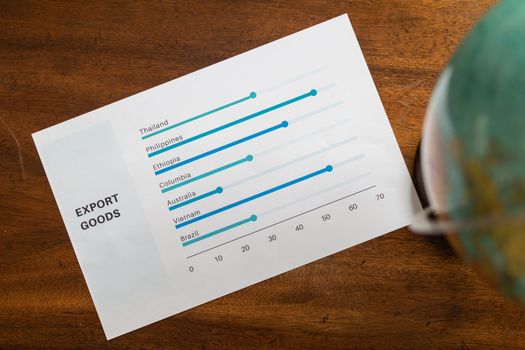
Migrants play a crucial role in the Czech economy, filling gaps in industries facing labor shortages and contributing to overall economic growth. According to the Czech National Bank, foreign workers made up approximately 13% of the national workforce in 2023, with the highest concentrations in construction, manufacturing, hospitality, and healthcare.
A closer look at the statistics reveals that:
- Over 55% of foreign workers in the Czech Republic are employed in low- and semi-skilled positions. - Migrant entrepreneurs have established more than 25,000 businesses, with Vietnamese and Ukrainian entrepreneurs being particularly active in retail, food services, and trade. - In 2022, migrants contributed an estimated 2.5% to the country’s GDP, according to an analysis by the Institute for Democracy & Economic Analysis (IDEA).Despite their economic contributions, migrants often face barriers such as lower wages, limited career advancement, and difficulties in having foreign qualifications recognized. However, a growing number of highly skilled migrants—especially from Ukraine, Russia, and Western countries—are entering sectors such as IT, research, and engineering, helping to address the country’s skills gap.
Integration Challenges and Social Cohesion
While migration has enriched Czech society in many ways, it has also brought new challenges related to integration and social cohesion. Public attitudes toward migration are complex and often polarized. According to a 2023 STEM survey, 48% of Czechs see migration as beneficial for the economy, but 54% express concern about the impact on national identity and social stability.
Key integration challenges include:
- Language barriers, which can limit access to education and employment for migrants. - Discrimination and social exclusion, particularly for visible minorities such as the Vietnamese and certain African or Middle Eastern migrants. - Limited representation of migrants in local governance and media.The Czech government has implemented various integration policies, such as language courses, cultural orientation programs, and support for migrant children in schools. Non-governmental organizations (NGOs) also play an important role, offering legal assistance, social services, and community-building activities.
Despite these efforts, integration outcomes vary significantly by group. For example, Slovak and Ukrainian migrants—who often share linguistic and cultural similarities with Czechs—tend to integrate more smoothly, while Vietnamese and other non-European migrants face greater hurdles.
Comparing Migration’s Impact: Czech Republic vs. Neighboring Countries
To better understand the unique aspects of the Czech experience, it is useful to compare migration trends and impacts with neighboring Central European countries. The following table provides a comparative overview of key migration indicators as of 2023:
| Country | Foreign-born Population (%) | Main Migrant Groups | Migration Contribution to GDP (%) | Integration Policies |
|---|---|---|---|---|
| Czech Republic | 6.1 | Ukraine, Slovakia, Vietnam, Russia | 2.5 | Language courses, cultural orientation, NGO support |
| Poland | 4.5 | Ukraine, Belarus, Germany | 2.1 | Labor permits, integration centers, language support |
| Slovakia | 3.7 | Ukraine, Serbia, Czech Republic | 1.8 | Limited language support, basic orientation |
| Austria | 16.7 | Germany, Turkey, Serbia, Romania | 4.0 | Comprehensive integration plan, citizenship pathways |
This comparison highlights that while the Czech Republic has a lower share of foreign-born residents than Austria, it has a larger and more diverse migrant population than Poland or Slovakia. Its integration policies are relatively robust for the region, though still less comprehensive than those in Western European countries.
Shifting Social Attitudes and the Future of Czech Identity
Migration is not only changing the demographic and economic fabric of the Czech Republic but also prompting broader debates about national identity, multiculturalism, and social values. The country’s historical experience with foreign rule and post-communist transition has influenced public perceptions of migration, with some viewing it as a threat to cultural continuity, while others see it as a source of renewal and opportunity.
Recent surveys show a gradual softening of attitudes, particularly among younger generations and urban residents. For example, a 2023 Pew Research Center study found that 62% of Czechs under 35 view migration as a positive force for cultural innovation and global connectedness. At the same time, incidents of xenophobia and anti-immigrant rhetoric remain a concern, especially in the context of broader European debates over migration and asylum.
Media representation and political discourse play a critical role in shaping these attitudes. While sensational headlines can fuel fears, positive stories about successful migrant entrepreneurs, artists, or healthcare workers contribute to a more nuanced and inclusive narrative.
Final Reflections on Migration’s Role in Czech Culture and Society
The impacts of migration on Czech culture and society in the 21st century are complex, multifaceted, and still unfolding. Migrants have brought demographic vitality, cultural diversity, and economic dynamism, helping the Czech Republic adapt to the challenges and opportunities of a globalized world. At the same time, integration challenges and debates over identity underscore the need for thoughtful policies and open dialogue.
As the Czech Republic continues to evolve, the experiences of migrants—and of the society that welcomes them—will play an increasingly important role in shaping its future. The country’s ability to balance tradition with openness, and to foster a sense of belonging for all its residents, will be a defining test of its resilience and creativity in the decades to come.