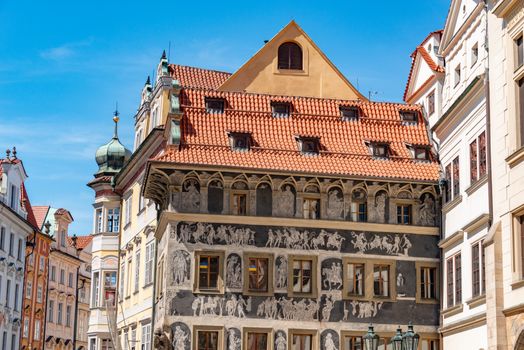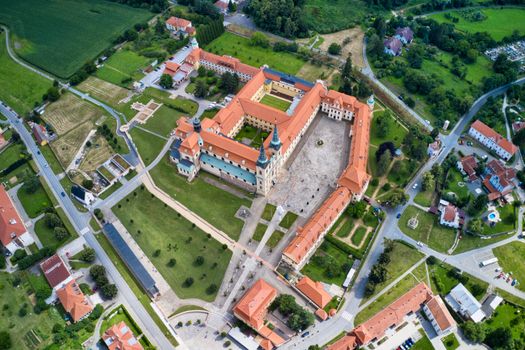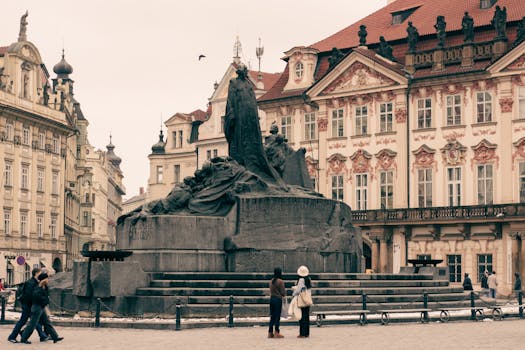
Czechia is a land where centuries-old castles rise from misty hills, ornate town halls crown bustling squares, and quiet chapels preserve the whispers of bygone eras. These monuments are not just beautiful backdrops for postcards—they are living stories, woven through the fabric of national identity and collective memory. But as time marches forward, the challenge of preserving these treasures for future generations grows more urgent. How can we ensure that these stories from Czech monuments endure, and what lessons do they hold for the future of cultural heritage preservation worldwide? Let’s explore the captivating tales behind Czech landmarks and the innovative, community-driven strategies helping to secure their legacy.
The Living Tapestry of Czech Monuments: More Than Stone and Timber
Czechia boasts over 40,000 officially recognized monuments, from the fairy-tale Karlštejn Castle to the functionalist marvels of Brno. Each structure holds a unique narrative, reflecting the nation’s political upheavals, artistic triumphs, and spiritual milestones. These monuments are not static relics—they are active participants in the country’s ongoing story.
For example, Prague’s Charles Bridge, built in 1357, has withstood floods, wars, and centuries of foot traffic. Today, it’s both a tourist magnet and a symbol of resilience. Similarly, the UNESCO-listed town of Český Krumlov tells a layered story of medieval trade, Renaissance artistry, and post-communist revival.
.png)
Yet, with more than 1,000 monuments listed as endangered by the National Heritage Institute in 2023, the need for innovative preservation approaches has never been clearer. As climate change, urban development, and shifting demographics pose new threats, Czechia’s heritage sector must blend tradition with modernity to keep these stories alive.
From Restoration to Revitalization: How Czech Monuments Find New Life
Restoration has long been the backbone of cultural preservation. In Czechia, this often means painstaking work by skilled artisans—repainting Baroque frescoes, repairing Gothic vaults, or recreating hand-carved doors. However, the modern approach increasingly goes beyond mere repair. Revitalization means breathing new life into historic spaces, making them relevant and accessible to contemporary society.
Take the example of the Pilsner Synagogue. Once at risk of demolition during World War II, it was restored in the 1990s through a community-driven campaign. Today, it serves not only as a place of worship but also as a concert hall, exhibition space, and educational center. This adaptive reuse model is echoed in the transformation of industrial relics like Ostrava’s Lower Vítkovice, where blast furnaces now host music festivals and science workshops.
This shift from passive preservation to active revitalization benefits both monuments and communities. It encourages sustainable tourism, fosters local pride, and supports economic development—ensuring that historic sites remain vibrant threads in the national tapestry.
Community Guardians: The Role of Local Initiatives in Heritage Protection
While government agencies and international organizations play crucial roles, some of the most inspiring stories of Czech monument preservation come from grassroots initiatives. Local residents, NGOs, and volunteers are often the first to notice when a landmark falls into disrepair—and the first to take action.
Consider the story of the Church of St. Nicholas in Velká Lhota. When the historic wooden church faced neglect, villagers banded together, organizing festivals and fundraising campaigns to finance repairs. Their efforts not only saved the building but also revived local traditions and strengthened community bonds.
Similarly, the “Adopt a Monument” program, launched in 2017, allows individuals and companies to sponsor the maintenance of specific sites. By 2023, over 150 monuments had found “adoptive parents,” generating more than 5 million CZK (approximately 220,000 USD) in donations.
These grassroots actions illustrate a vital principle: the most lasting preservation comes from people who feel a deep connection to their heritage. When communities become stewards of their own history, monuments gain not just protection, but renewed meaning.
Technology Meets Tradition: Digital Tools in Monument Preservation
As the challenges facing Czech monuments become more complex, technology is increasingly part of the solution. Digital innovation doesn’t just make restoration work more precise—it opens new ways to experience and learn from the past.
One breakthrough is the use of 3D scanning and photogrammetry. For example, the National Museum in Prague has digitized over 2,000 artifacts and monument details, creating high-resolution models that aid both restoration and virtual tourism. During the COVID-19 pandemic, virtual tours of Prague Castle and Kutná Hora’s St. Barbara’s Church reached over 1 million viewers worldwide, expanding access beyond physical borders.
Drones have also revolutionized monument monitoring, allowing experts to assess hard-to-reach areas while minimizing risk. In 2022, the historic Lednice Chateau used drone mapping to identify structural vulnerabilities, enabling targeted repairs that saved both time and money.
Digital archives, mobile apps, and augmented reality experiences are making heritage sites more engaging, especially for younger audiences. These technologies bridge the gap between centuries-old stories and the expectations of the digital age.
Balancing Access and Preservation: The Tourism Dilemma
Tourism is a double-edged sword for Czech monuments. In 2019, over 21 million tourists visited the country, with Prague Castle alone receiving nearly 2.5 million visitors. While tourism brings much-needed funds and international recognition, it also accelerates wear and tear, strains local resources, and can erode the very authenticity that makes these sites special.
The solution lies in finding a sustainable balance—maximizing educational and economic benefits while minimizing negative impacts. Many Czech heritage sites have adopted visitor caps, advance booking systems, and off-season events to distribute foot traffic more evenly. The town of Telč, for instance, implemented a ticketing system that reduced overcrowding by 18% in 2023, without sacrificing revenue.
Educational programs and guided tours can also foster respect and understanding, transforming tourists into partners in preservation. By involving visitors in the monument’s story—whether through interactive exhibits or community-led workshops—heritage managers can cultivate a sense of shared responsibility.
Here is a comparison of some key approaches used in Czechia to balance access and preservation:
| Method | Example | Result/Impact |
|---|---|---|
| Visitor Caps | Prague Castle, Český Krumlov | Reduced overcrowding and wear on sensitive areas |
| Advance Booking | Telč, Sedlec Ossuary | Smoother visitor flow, improved maintenance scheduling |
| Off-Season Events | Lednice-Valtice Complex | Boosts revenue year-round, reduces peak season pressures |
| Interactive Education | Litomyšl Castle workshops | Increases visitor engagement and respect for heritage |
International Partnerships: Czech Monuments in Global Context
Preserving cultural heritage is not just a national concern—it’s a global imperative. Czechia’s monuments are part of larger stories, connecting to European and world history through trade, migration, and artistic exchange. Recognizing this, many Czech heritage projects benefit from international collaboration.
UNESCO World Heritage status, for instance, brings funding, expertise, and global visibility. Since joining UNESCO in 1993, Czechia has successfully nominated 14 sites, including the Historic Centre of Prague and the Gardens and Castle at Kroměříž. In 2022, almost 30% of major restoration projects received EU co-financing, amounting to over 600 million CZK.
Cross-border initiatives, such as the Danube Limes project (documenting Roman-era sites across Central Europe), help share best practices and coordinate conservation efforts. These partnerships not only protect physical structures but also promote shared values—tolerance, creativity, and respect for diversity.
By participating in the global heritage community, Czechia ensures that its monuments are preserved not just for local citizens, but as part of humanity’s collective legacy.
Lessons from Czech Monuments: A Guide for the Future
The stories told by Czech monuments are as diverse as the landscapes they inhabit. From Gothic cathedrals to industrial relics, each site teaches us something vital about resilience, adaptation, and the power of community. As we look to the future, several key lessons emerge:
1. $1. Governments, experts, and citizens must work together, combining local knowledge with global resources. 2. $1. Monuments must serve contemporary needs—offering spaces for education, art, and social life—to remain meaningful. 3. $1. Digital tools, creative programming, and adaptive reuse can overcome barriers of access and comprehension. 4. $1. Sustainable tourism and smart management protect both monuments and the communities that cherish them. 5. $1. Preservation is not about freezing the past, but about keeping stories alive for future generations to learn, imagine, and create.By listening to the stories embedded in stone, wood, and glass, and by embracing new ways to honor and share them, Czechia offers a model for cultural heritage preservation that resonates far beyond its borders.