Nature’s Imprint: The Profound Influence of the Czech Landscape on Traditional Music and Its Modern Echoes
The rolling hills of Moravia, the Bohemian forests, and the winding rivers of the Czech Republic have not only shaped the nation’s geography but also left a lasting imprint on its musical heritage. From the earliest folk songs sung by farmers in mountain valleys to the internationally celebrated works of Antonín Dvořák and Bedřich Smetana, Czech traditional music is deeply rooted in the rhythms, moods, and imagery of the natural world. Today, as contemporary composers and musicians reinterpret these traditions, the influence of nature remains a vibrant and evolving thread. This article explores how Czech landscapes have inspired musical expression across centuries, compares traditional and modern approaches, and examines why nature’s voice still resonates in the Czech musical imagination.
The Roots: Landscapes as the Foundation of Czech Folk Music
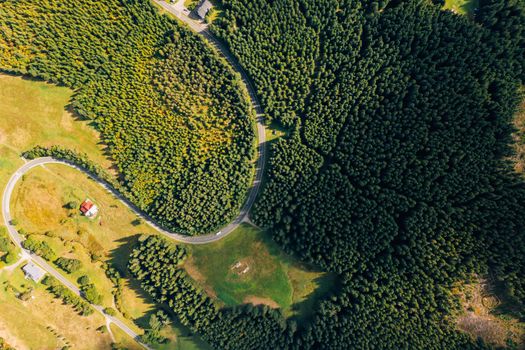
Czech folk music, known for its melodic richness and evocative lyrics, has always drawn inspiration from the natural environment. In rural regions such as Moravia and Bohemia, the daily lives of villagers were dictated by the cycles of the seasons, the fertility of fields, and the unpredictability of the weather. This profound connection to the land is evident in the oldest folk songs, which often reference forests, rivers, birds, and natural phenomena.
.png)
For example, the Moravian folk song “Ej, padá, padá rosenka” (“Oh, the dew is falling”) paints a vivid picture of a morning landscape, using the falling dew as a metaphor for longing. Another classic, “Teče voda, teče,” (“The water flows, it flows”) not only alludes to the ever-present rivers but also uses flowing water as a symbol for the passage of time and life’s changes.
Researchers have catalogued more than 30,000 Czech folk songs, many of which feature direct references to nature. The Institute of Ethnology of the Czech Academy of Sciences notes that upwards of 60% of these songs mention natural elements—whether as the main subject or as poetic imagery.
Composers and the Czech Landscape: Nature in Classical Masterpieces
In the 19th century, as Czech composers sought to express national identity through music, the natural world became an even more powerful source of inspiration. Bedřich Smetana’s symphonic poem cycle “Má vlast” (“My Country”) is a prime example, with each piece dedicated to a specific aspect of the Czech landscape or its legends.
Perhaps the most famous movement, “Vltava” (“The Moldau”), musically traces the river’s journey through forests, past villages, and into Prague, using flowing melodies and orchestral color to evoke water currents, moonlit nights, and hunting scenes. Smetana himself wrote that he aimed to capture “the impression as it comes to the observer’s mind.”
Antonín Dvořák, another towering figure, drew on folk melodies and rural themes in works like his “Slavonic Dances” and “Symphony No. 8.” Dvořák spent much of his life in the countryside and frequently cited nature as a wellspring of creativity, once stating: “I am convinced that love of nature is the greatest gift that God has given man.”
Leoš Janáček, an early 20th-century composer from Moravia, incorporated the sounds of birds, wind, and even animal calls into his music, pioneering a style that blurred the lines between natural soundscapes and human composition.
Sonic Elements: How Nature Shapes Instruments and Performance
The influence of nature extends beyond lyrical themes and compositional inspiration; it is embedded in the very sound of traditional Czech music. Many folk instruments were crafted from local materials and designed to mimic the sounds of the natural world.
For example, the fujara, a long wooden flute, produces deep, haunting tones reminiscent of wind blowing through valleys. The cimbalom, a hammered dulcimer, can imitate the pattering of rain, while shepherd’s pipes and horns echo bird calls and animal sounds. In Moravian Wallachia, musicians have long used the koncovka—a simple overtone flute—to play melodies that mirror the songs of native birds.
Traditional performances, often held outdoors during harvest festivals or village celebrations, allowed these instruments to blend with ambient natural sounds. Even today, many folk ensembles perform at open-air venues such as the Strážnice International Folklore Festival, where music and landscape merge in a seamless celebration of cultural heritage.
Modern Interpretations: Nature in Contemporary Czech Music
As Czech society has urbanized and globalized, modern musicians have adapted their approach to nature-inspired music. Some, like the acclaimed group Čechomor, reinterpret folk songs with contemporary arrangements, using electric instruments but preserving references to rivers, fields, and forests in their lyrics.
Other artists draw on environmental themes to address contemporary issues. Composer and sound artist Miloš Vacek, for example, has created electroacoustic works that blend field recordings from Czech nature reserves with traditional melodies, highlighting both the beauty and fragility of the environment.
A 2021 study by the Czech Musicological Society found that nearly 40% of new Czech folk and world music releases include nature-oriented themes, either in lyrics, titles, or sound design. Musicians such as Tomáš Kočko & Orchestr and Lenka Dusilová have earned critical acclaim for blending ancient motifs—such as the mythic significance of mountains or the symbolism of the linden tree—with modern songwriting and production.
Comparing Traditional and Modern Approaches to Nature in Czech Music
To better understand the evolving relationship between nature and Czech music, it is useful to compare key characteristics of traditional and modern approaches. The table below summarizes some of the main differences and similarities:
| Aspect | Traditional Czech Music | Modern Interpretations |
|---|---|---|
| Instrumentation | Acoustic, local materials (e.g., fujara, cimbalom, koncovka) | Mix of acoustic & electric instruments, incorporation of electronic sounds |
| Performance Setting | Outdoor festivals, village gatherings, natural acoustics | Concert halls, recordings, festivals; some still outdoors |
| Themes | Seasons, farming, folklore, direct references to nature | Nature as metaphor, environmental issues, blending with urban themes |
| Role of Nature | Central to lyrics, melodies, and instrument sounds | Inspirational, sometimes symbolic or critical (e.g., climate change) |
| Audience | Local communities, intergenerational | National & international, diverse age groups |
This comparison highlights both the continuity and innovation present in Czech music’s relationship with the natural world.
The Enduring Appeal: Why Nature Remains Central in Czech Musical Identity
Despite the rapid modernization of Czech society, nature continues to play a foundational role in music. Part of this longevity is cultural: the Czech Republic is one of the most forested countries in Europe, with more than 34% of its land covered by trees. Rural traditions, such as mushroom foraging and seasonal festivals, remain popular, reinforcing the symbolic power of nature in daily life.
Moreover, environmental concerns have prompted a new wave of musical activism. Musicians increasingly use their platform to advocate for conservation, highlight the consequences of climate change, and celebrate the country’s natural beauty. This blending of tradition and innovation ensures that the natural world remains not only a source of artistic inspiration but also a focal point for cultural dialogue.
In education, programs like the Czech Philharmonic’s “Orchestrální akademie” bring young musicians into forests and parks for outdoor workshops, fostering a new generation of artists attuned to the sounds and significance of the landscape.
Nature’s Legacy in Czech Music: Moving Forward
Nature has shaped the sound, spirit, and substance of Czech traditional music for centuries, providing both a literal and metaphorical landscape for artistic expression. As modern musicians reinterpret these traditions in light of contemporary challenges and opportunities, the enduring influence of rivers, forests, and fields is unmistakable.
This ongoing dialogue between past and present—between the melodies of ancient harvests and the innovative sounds of today’s composers—ensures that the voice of nature will continue to echo through Czech music, inspiring both local communities and global audiences for generations to come.