Trends in Czech Fashion Design: How Sustainability is Changing the Clothing Industry
The Czech Republic is often celebrated for its rich artistic traditions—spanning glassmaking, architecture, and music—but in recent years, Czech fashion design has surged into the spotlight. As consumers in Prague, Brno, and beyond become more conscious of environmental issues, local designers and brands are reshaping the Czech clothing industry with sustainability at its core. This transformation is not only affecting how clothes are made and sold, but also influencing cultural values, market dynamics, and the international reputation of Czech design.
In this article, we’ll explore how sustainable practices are redefining Czech fashion, spotlight notable designers and brands, compare conventional and eco-friendly production, and examine the broader impact on the industry and society. Whether you’re a fashion enthusiast, an eco-conscious shopper, or simply curious about the future of Czech style, read on to discover the trends reshaping the wardrobe of a nation.
The Rise of Sustainability in Czech Fashion
The global shift toward sustainability has reached the Czech Republic with remarkable vigor. According to a 2023 study by the Czech Statistical Office, 61% of Czech consumers reported greater interest in sustainable clothing compared to five years prior. This demand is motivating local designers and brands to rethink traditional processes, materials, and business models.
.png) Key drivers behind this shift include:
- Increased awareness of environmental impact: The textile industry is responsible for 10% of global carbon emissions, and Czechs are increasingly aware of the issue.
- Influence of European Union regulations: The EU’s Green Deal and Circular Economy Action Plan are prompting Czech manufacturers to adopt greener methods.
- Youth activism: Young designers, often educated at prestigious institutions like the Academy of Arts, Architecture and Design in Prague (UMPRUM), are leading the charge.
Key drivers behind this shift include:
- Increased awareness of environmental impact: The textile industry is responsible for 10% of global carbon emissions, and Czechs are increasingly aware of the issue.
- Influence of European Union regulations: The EU’s Green Deal and Circular Economy Action Plan are prompting Czech manufacturers to adopt greener methods.
- Youth activism: Young designers, often educated at prestigious institutions like the Academy of Arts, Architecture and Design in Prague (UMPRUM), are leading the charge.
Sustainability is no longer a niche—it’s becoming an expectation, particularly among urban millennials and Gen Z consumers who value transparency and ethics in fashion.
Innovative Materials and Eco-Friendly Textiles
A major aspect of sustainable Czech fashion lies in the choice of materials. Traditional cotton, for instance, is water-intensive and often relies on pesticides, while synthetic fibers like polyester contribute to microplastic pollution. Czech designers are tackling these issues by adopting innovative, eco-friendly textiles:
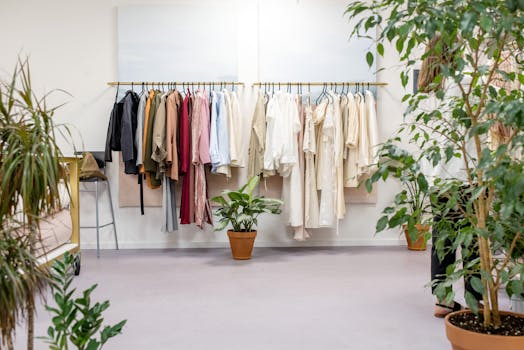
- Organic cotton and linen: Brands like Bohempia focus on hemp, which grows quickly with minimal water and pesticides. - Upcycled fabrics: Young label Recycle with Love creates unique garments from discarded textiles, reducing landfill waste. - TENCEL™ and bamboo: These fibers, derived from wood pulp, are produced in closed-loop systems with lower environmental impact. - Local wool: The revitalization of Czech sheep farming supports rural economies and reduces transportation emissions.The result is a market increasingly characterized by transparency—brands are eager to share the origin and properties of their materials, empowering consumers to make informed choices.
Slow Fashion vs. Fast Fashion: A Comparative Overview
To understand how sustainability is reshaping Czech fashion, it’s helpful to compare the “slow fashion” movement with traditional “fast fashion” practices. The table below highlights key differences as they play out in the Czech context:
| Aspect | Slow Fashion (Sustainable) | Fast Fashion (Conventional) |
|---|---|---|
| Production Volume | Limited batches, made-to-order | Mass production, frequent new lines |
| Materials | Organic, recycled, locally sourced | Synthetic, non-renewable, imported |
| Manufacturing Location | Often local (Czech Republic/EU) | Mostly outsourced (Asia) |
| Worker Conditions | Fair wages, safe environments | Often poor conditions, low wages |
| Environmental Impact | Low carbon footprint, minimal waste | High emissions, significant waste |
| Price Point | Higher (reflecting true cost) | Lower (hidden environmental/social costs) |
This contrast explains why, despite higher upfront prices, sustainable Czech brands are gaining traction: consumers are willing to invest in quality, ethics, and longevity.
Leading Czech Designers and Brands Championing Sustainability
The Czech fashion scene is brimming with talent, and several designers have emerged as champions of sustainability. Each brings a unique philosophy and aesthetic, but all share a commitment to ethical and environmental responsibility.
- $1 Osako’s brand celebrates Czech folk motifs, reviving traditional embroidery and natural fabrics. Her collections are produced locally, supporting regional artisans and reducing transport emissions. - $1 Founded in 2015, Bohempia is Europe’s first hemp sneaker brand. Hemp is three times stronger than cotton and naturally antibacterial, making it a sustainable alternative for footwear. - $1 With a focus on upcycling, this Prague-based label transforms vintage and surplus fabrics into modern, limited-edition pieces. - $1 In 2021, Nilmore launched the first “circular” T-shirt in the Czech Republic, designed for full recyclability at the end of its life—a concept gaining momentum in Europe. - $1 Founded by Iva Burkertová, Odivi creates collections from deadstock and recycled materials, often using local workshops and advocating for minimal waste production.These brands not only adopt green practices but also set trends that ripple through the local industry, inspiring both established names and newcomers.
Consumer Behavior and the New Czech Fashion Ethos
The influence of sustainability on Czech fashion goes beyond production—it’s transforming consumer attitudes and habits. Recent surveys reveal several notable trends:
- Willingness to pay more: According to a 2022 Ipsos poll, 47% of Czechs aged 18-35 said they would pay 10-30% extra for sustainable clothing. - Preference for quality over quantity: The Czech Association of Fashion Designers reports that sales of “investment pieces”—high-quality garments meant to last years—have grown by 22% since 2020. - Secondhand and swapping culture: Platforms like Vinted (founded in Lithuania but popular in the Czech Republic) and local swap events are booming, with an estimated 1.2 million Czechs participating in secondhand shopping in 2023. - Demand for transparency: Consumers increasingly ask brands about supply chains, material origins, and worker conditions—pressuring companies to be open and accountable.This “new fashion ethos” prioritizes not just style, but also ethics, longevity, and social responsibility. It marks a return to values that have long been part of Czech culture—craftsmanship, resourcefulness, and respect for nature.
Challenges and Opportunities for the Czech Clothing Industry
Despite impressive progress, the Czech fashion industry faces real challenges on the road to sustainability:
- Cost barriers: Sustainable materials and local production are more expensive, making it harder for smaller brands to compete with fast fashion giants like H&M or Zara. - Consumer education: Not all shoppers understand the true environmental cost of cheap clothing, requiring ongoing awareness campaigns. - Scaling up: While many Czech brands operate on a small scale, expanding production while maintaining ethical standards is a complex balancing act. - Global competition: International brands with bigger marketing budgets and economies of scale still dominate much of the market. However, these challenges bring opportunities: - Government support: The Czech Ministry of Industry and Trade is offering grants for green innovation in textiles. - Export potential: As sustainable fashion gains global popularity, Czech brands with strong ethical credentials can access new markets, particularly in Western Europe. - Technological innovation: Startups are experimenting with biodegradable materials, digital pattern-making (to reduce waste), and blockchain for supply chain transparency.With resilience and creativity—hallmarks of Czech design—the industry is poised to not only overcome obstacles but also lead the way in Central European sustainable fashion.
The Future of Czech Fashion: Sustainability as a Defining Identity
Sustainability is no longer a passing trend in Czech fashion—it is becoming a defining feature of the industry’s identity. What began as a grassroots movement among young designers and ethical consumers is now influencing mainstream brands, government policy, and international perception.
By blending innovation with tradition, Czech fashion is showing that style and sustainability can go hand in hand. The result is a diverse, vibrant, and resilient industry—one that honors heritage, protects the environment, and looks confidently toward the future.