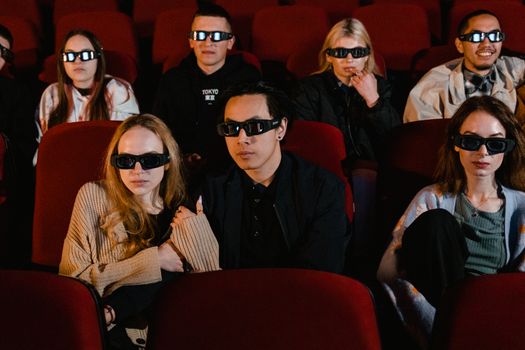
The Czech theater scene has long been a pillar of the nation's rich cultural identity, boasting a history that spans from the Baroque theaters of the 18th century to the avant-garde stages of the 20th. However, the COVID-19 pandemic posed unprecedented challenges to Czech theaters, forcing closures, disrupting productions, and altering audience habits. As theaters reopen and adapt, a dynamic transformation is underway, reshaping both what is performed and how it is experienced. This article explores the key trends and new directions in the Czech theater scene during the post-pandemic period, revealing how resilience, innovation, and societal shifts are forging a new era for live performance in the heart of Europe.
Digital Integration: Bridging Stage and Screen
One of the most significant shifts in the Czech theater scene post-pandemic is the accelerated adoption of digital technologies. During lockdowns, theaters rapidly pivoted to online platforms, streaming performances to audiences confined at home. According to the Czech Association of Theaters, over 70% of professional theaters offered online content during 2020 and 2021, a dramatic leap from less than 10% pre-pandemic.
In the post-pandemic era, this digital momentum has not waned. Instead, theaters are increasingly embracing hybrid formats, combining live and streamed elements to reach broader audiences. The National Theatre in Prague, for instance, now regularly broadcasts premieres and special events online, garnering virtual attendance from Czech expatriates and international fans alike. This approach is not just a stopgap; it’s a new standard.
.png)
Digital ticketing, interactive apps, and augmented reality experiences are also being integrated into the theatergoing experience. For example, the Jatka78 contemporary theater in Prague offers an app allowing audiences to access behind-the-scenes content, artist interviews, and even interactive votes that can influence aspects of certain performances.
Emergence of New Thematic Narratives and Experimentation
The pandemic has left a profound imprint on the artistic themes explored by Czech theaters. Playwrights and directors are increasingly drawing inspiration from recent collective experiences—exploring themes of isolation, resilience, social change, and the redefinition of community.
A notable trend is the surge in documentary and verbatim theater, where real-life stories and testimonies are adapted for the stage. Productions such as "Karanténa" (Quarantine) at Divadlo na zábradlí weave together interviews with healthcare workers, teachers, and ordinary citizens, offering a raw and immediate reflection of the pandemic era.
Alongside pandemic-inspired works, there is also greater experimentation with non-traditional performance spaces. Open-air stages, site-specific performances in urban and rural locations, and immersive theater experiences have proliferated. For example, the Ponec Theater, historically focused on contemporary dance, has expanded to include performances in public parks and abandoned factories, engaging new demographics and redefining what constitutes a theatrical space.
Audience Engagement and Changing Demographics
The pandemic shifted not only how theaters operate but also who attends and how audiences engage with live performance. According to a 2023 survey by the Czech Statistical Office, theater attendance in the Czech Republic dropped by nearly 40% in 2020 compared to 2019 but rebounded to 85% of pre-pandemic levels by late 2022. However, the makeup of these audiences is changing.
Younger and more diverse crowds are being drawn in by experimental formats, interactive performances, and digital outreach. The traditional subscription model, once the backbone of Czech theater, is giving way to more flexible ticketing and membership options tailored to a generation accustomed to on-demand entertainment. Many theaters now offer discounted tickets for students, digital loyalty programs, and flexible seating policies to accommodate evolving preferences.
The table below illustrates changes in Czech theater audience demographics between 2019 and 2023:
| Year | Average Age of Attendees | % of Attendees Under 30 | % of Repeat Visitors | Online Engagement (% of total) |
|---|---|---|---|---|
| 2019 | 43 | 22% | 68% | 5% |
| 2021 | 38 | 31% | 54% | 38% |
| 2023 | 36 | 35% | 62% | 29% |
This data highlights a clear trend towards younger, more digitally engaged audiences, signaling a generational renewal for Czech theater.
Support for Local Playwrights and Collaborations
Another lasting effect of the pandemic is a renewed emphasis on local talent and collaborations. With international touring restricted and budgets tightened, many Czech theaters turned inward, commissioning new works by Czech playwrights and fostering cross-institutional collaborations.
For example, the Theatre LETÍ in Prague has launched an annual "New Czech Drama" festival, spotlighting emerging voices and encouraging playwrights to experiment with contemporary themes and forms. Collaborative productions between theaters in Prague, Brno, and Ostrava have also become more common, pooling resources and sharing audiences.
Government and private grants have played a crucial role in this renaissance. In 2022, the Ministry of Culture increased funding for new play development by 18%, supporting over 40 original works across the country. This investment is nurturing a new generation of Czech dramatists whose works resonate with both local and international audiences.
Accessibility, Inclusion, and Social Engagement
The post-pandemic period has also seen Czech theaters deepen their commitment to accessibility and inclusion. Recognizing that the pandemic disproportionately affected vulnerable populations, many institutions have introduced initiatives to ensure that theater remains open to all.
For instance, the National Moravian-Silesian Theatre in Ostrava has introduced sensory-friendly performances for neurodiverse audiences and expanded its program of captioned and sign-language interpreted shows. Small independent theaters, such as Divadlo D21, have created outreach programs bringing performances to hospitals, care homes, and marginalized communities.
In addition, theaters are increasingly programming works that address issues of social justice, diversity, and mental health. Productions exploring the experiences of Roma communities, LGBTQ+ individuals, and immigrant populations are gaining prominence, reflecting a broader societal shift towards inclusivity and dialogue.
Financial Sustainability and Government Support
Financial challenges remain a central concern for Czech theaters, particularly smaller independent venues. While government relief packages helped prevent mass closures during the pandemic, the long-term sustainability of the sector is still being tested.
According to the Czech Theatre Union, overall public funding for performing arts increased by 12% from 2021 to 2023, with targeted support for digital innovation and pandemic recovery. Nevertheless, theaters are diversifying their revenue streams through private sponsorships, merchandising, and creative use of their spaces for workshops, conferences, and community events.
Partnerships with foreign cultural institutions, such as the Goethe-Institut and the British Council, have also provided crucial support for co-productions and artist exchanges. These international collaborations not only bolster finances but also infuse the Czech scene with new ideas and global perspectives.
Looking Ahead: The Future of Czech Theater in a Changed World
The Czech theater scene has shown remarkable adaptability and creativity in the face of adversity. As the post-pandemic era unfolds, the fusion of live and digital, the embrace of new voices and narratives, and the commitment to inclusion are setting the stage for a vibrant future.
With younger audiences engaged and local talent flourishing, Czech theaters are poised to remain vital spaces for artistic experimentation and communal reflection. The lessons learned during the pandemic—about resilience, flexibility, and the power of storytelling—will continue to shape the evolution of Czech theater for years to come.