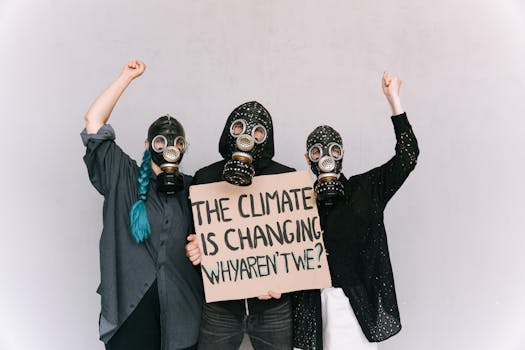
The Czech Republic has long been known for its rich artistic heritage, from centuries-old castles adorned with frescoes to groundbreaking modernist design. But in recent years, Czech art has found a new calling: ecological activism. As climate change and environmental degradation become urgent global concerns, many Czech artists, collectives, and institutions are harnessing the power of creativity to inspire action, raise awareness, and even directly influence environmental policy. This article explores how Czech art is engaging in ecological activism, highlighting pioneering projects and initiatives that are not just transforming the Czech landscape, but also serving as models for the world.
The Convergence of Art and Ecology in the Czech Republic
Czech artists have always reflected the sociopolitical realities of their time, but the current ecological crisis has catalyzed an unprecedented wave of creative activism. According to a 2022 report by the Czech Statistical Office, over 65% of Czechs believe environmental protection should be a national priority. This sentiment is echoed in the arts, where ecological themes have moved from the margins to the mainstream.
For example, the 2021 Prague Quadrennial, one of the world’s largest performance design events, featured a “Forest for Change” installation—an immersive woodland in the heart of the city, created from over 400 native saplings. These trees were later replanted in urban parks, exemplifying how art projects can leave a lasting environmental impact. Similarly, the annual Art for the Planet festival in Brno brings together artists, scientists, and activists for a week of eco-themed workshops, performances, and exhibitions, attracting more than 10,000 visitors every year.
.png)
Land Art and Public Installations: Nature as Both Medium and Message
Land art, a movement that uses natural landscapes to create site-specific installations, has gained renewed momentum in the Czech Republic. The country’s forests, rivers, and meadows provide both canvas and material for thought-provoking works.
One striking example is the “Woodland Cathedral” by artist František Skála, located in the Beskydy Mountains. Composed entirely of fallen branches, moss, and stones, the cathedral is not only a place of quiet contemplation but also a living sculpture that evolves with the seasons. Skála’s piece draws thousands of visitors annually and highlights the fragility of the forest ecosystem.
Another innovative initiative is “Art for Water,” a collective of visual artists and architects who create floating sculptures along the Vltava River. Their 2019 installation “Thirst” featured a massive, water-powered kinetic sculpture that rose and fell with the river’s flow, symbolizing the cycles of drought and abundance in Central Europe. The collective partners with local schools to offer educational programs, teaching over 1,500 children each year about water conservation through interactive art.
Community-Based Art Projects Driving Local Environmental Action
While many Czech ecological art projects are grand in scale, some of the most impactful initiatives are rooted in local communities. In Prague’s Žižkov district, the “Green Murals” project transforms drab building facades into lush, painted vertical gardens. Created by local artists and residents, these murals not only beautify the neighborhood but also educate the public about urban biodiversity and climate adaptation.
Elsewhere, the “Riverbank Revival” initiative in the town of Litoměřice uses participatory art to involve citizens in cleaning and restoring the banks of the Elbe River. The project combines sculpture workshops with river clean-up days, resulting in public artworks made from debris collected during the events. In 2023, over 500 residents participated, removing more than 2 tons of waste and creating five permanent sculptures now visible along the riverwalk.
Institutional Support: Museums, Galleries, and Universities Leading the Way
Major Czech art institutions are increasingly embracing ecological activism as a core part of their mission. The National Gallery Prague launched its “Art and Climate” initiative in 2022, curating exhibitions that explore humanity’s relationship with nature and hosting public forums on sustainability in the arts. Their “Green Cube” program supports artists working with recycled materials, providing grants and studio space, and has funded 18 projects since its inception.
Universities are also playing a vital role. At the Academy of Fine Arts in Prague, the Environmental Art Lab brings together students from across disciplines to collaborate on projects addressing air pollution, waste management, and green urbanism. Their 2023 exhibition “Respire” featured installations powered entirely by renewable energy, attracting over 7,000 visitors and sparking citywide conversations about Prague’s air quality.
Digital Art and Eco-Activism: Harnessing Technology for Change
In the digital age, Czech eco-activist art is increasingly making use of new technologies. Interactive installations, virtual reality experiences, and online campaigns are expanding the reach and impact of ecological messages.
One standout project is “Invisible Forests,” an augmented reality (AR) experience developed by the creative studio Signal. Participants use their smartphones to view digital representations of extinct or endangered Czech tree species superimposed on urban landscapes. The project, launched in 2022, recorded more than 50,000 downloads in its first six months and was used as an educational tool in over 100 Czech schools.
Another example is “Waste Not,” a data-driven online exhibit by the Czech Centre for Environmental Art, which visualizes real-time municipal waste statistics. By making invisible environmental issues tangible and interactive, digital art projects like these empower citizens to make informed decisions and advocate for change.
Comparing Czech Eco-Art Initiatives: Reach, Impact, and Innovation
The following table summarizes several leading Czech ecological art initiatives, highlighting their unique approaches and measurable outcomes:
| Initiative | Location | Type | Participants/Visitors | Key Impact |
|---|---|---|---|---|
| Forest for Change | Prague | Public Installation | 30,000+ | 400 trees replanted in city parks |
| Woodland Cathedral | Beskydy Mountains | Land Art | 10,000+ annually | Promotes forest conservation |
| Green Murals | Prague (Žižkov) | Community Art | 2,000+ residents involved | Raises urban biodiversity awareness |
| Invisible Forests | Nationwide (AR app) | Digital Art | 50,000 downloads | Educates on endangered species |
| Riverbank Revival | Litoměřice | Community Sculpture | 500+ participants | 2 tons of waste removed, 5 permanent sculptures |
How Czech Eco-Art Inspires Policy and Global Movements
The influence of Czech ecological art extends beyond galleries and parks. Several projects have catalyzed real-world environmental policy changes or inspired international collaborations. For instance, the “Art for Water” collective’s advocacy was instrumental in the 2020 decision by Prague’s city council to improve river clean-up funding and implement stricter pollution controls.
Czech initiatives regularly partner with global organizations, such as the European Environmental Bureau and the International Union for Conservation of Nature. In 2023, the Czech project “Rewilding Urban Spaces” was showcased at the United Nations Climate Change Conference (COP28), demonstrating how art-driven activism can shape city planning and biodiversity strategies around the world.
The Lasting Impact of Czech Art in Ecological Activism
Czech art’s engagement with ecological activism is not a passing trend but a growing movement with tangible results. By blending creativity, community engagement, and environmental science, Czech artists and institutions are helping to redefine what activism looks like in the 21st century. Their work not only inspires individual behavioral change but also influences policy, education, and international dialogue.
In a country where 34% of the land is forested and 72% of citizens live in urban areas, the intersection of art and ecology is uniquely powerful. The projects highlighted here demonstrate that art can be a catalyst for sustainability, resilience, and hope—both in the Czech Republic and across the globe.