The Czech art scene has long been celebrated for its historical richness and avant-garde movements, with Prague serving as a thriving hub for painters, sculptors, and multimedia artists. But as our world becomes increasingly digital, Czech artists are embracing new technologies and platforms that are redefining how art is created, shared, and experienced. From virtual galleries to NFT marketplaces, the digital transformation is not just altering the tools artists use—it’s changing the very fabric of Czech cultural expression.
This article delves into how Czech art is evolving in the digital space, examining emerging platforms, the integration of new media, and the trends setting the pace for the future. Whether you’re an art lover, a digital enthusiast, or simply curious about how tradition meets innovation, read on to discover the dynamic story of Czech art’s digital evolution.
The Digital Shift: Traditional Art Meets New Media
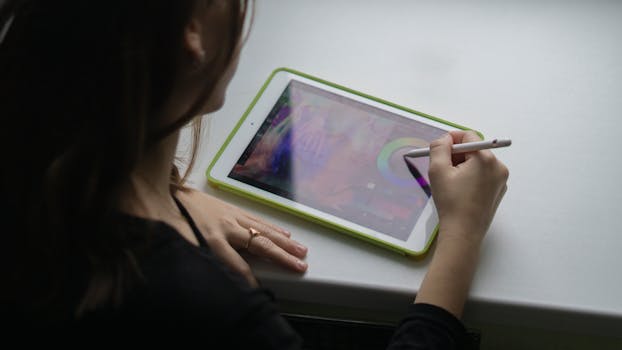
Czech artists have a reputation for blending tradition with experimentation, and the digital revolution is amplifying this trend. Over the past decade, there has been a marked increase in the adoption of digital tools and platforms among Czech creatives. According to a 2023 survey by the Czech Association of Visual Artists, over 62% of respondents reported regularly using digital mediums in their practice, up from just 18% in 2015.
.png)
This shift is not limited to visual art alone. Musicians, performance artists, and even street artists are leveraging everything from augmented reality (AR) to generative AI to expand their creative boundaries. A striking example is the AR-enhanced murals in Prague’s Žižkov district, where passersby can scan artworks with their phones to unlock interactive stories and animations—a collaboration between local artists and Czech tech startups.
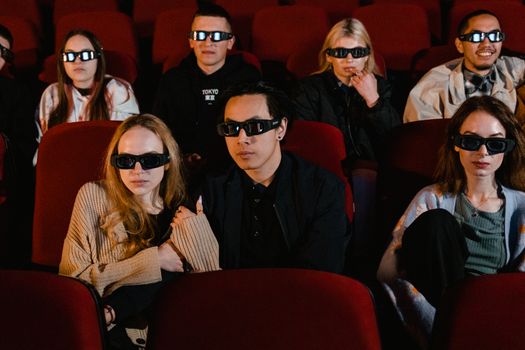
Digital art forms like video installations, 3D modeling, and interactive web-based works are becoming prominent at exhibitions such as Signal Festival, Prague’s annual celebration of digital and light art, which attracted over 600,000 visitors in 2023. This integration of traditional and digital media is fostering a new hybrid art scene, blending Czech artistic heritage with global technological trends.
Emerging Platforms: Where Czech Artists Are Showcasing Their Work
The digital space has given rise to an array of platforms that empower Czech artists to reach audiences beyond gallery walls. Social media remains a powerful tool, but new, artist-focused platforms are gaining traction. Here’s a comparative overview of some of the most popular digital spaces for Czech artists:
| Platform | Main Focus | Key Features | Czech User Base (2024 est.) |
|---|---|---|---|
| Artsta.cz | Online gallery and marketplace | Curated exhibitions, artist profiles, direct sales | 5,000+ artists |
| Visual sharing/social media | Stories, reels, global reach, hashtags | Estimated 200,000 Czech art-related accounts | |
| Seduo | Online creative education | Workshops, video courses, artist talks | 45,000+ users (art courses) |
| SuperRare/Opensea | NFT marketplaces | Blockchain-based art sales, global audience | Over 1,200 Czech artists active |
| Signal Festival App | Event-based digital art platform | Interactive AR guides, artist info, digital installations | 100,000+ downloads |
Local startups are also making waves. Artsta.cz, launched in 2018, has quickly become a go-to for emerging Czech artists looking to exhibit and sell works online. Meanwhile, the adoption of NFT (non-fungible token) platforms has enabled creators to monetize digital art and reach collectors worldwide. Notably, in 2022, Czech artist Jan Kaláb made headlines with his NFT series, selling several pieces for over $30,000 each—a first for a Czech national on the blockchain art scene.
NFTs and Blockchain: Expanding the Art Market
The NFT boom has transformed how digital art is valued and traded, and Czech artists are actively participating in this global phenomenon. NFTs use blockchain technology to certify the ownership and authenticity of digital artworks, creating new opportunities for monetization, copyright protection, and global exposure.
In the Czech Republic, NFT art exhibitions have begun to appear in both virtual and physical spaces. The DOX Centre for Contemporary Art in Prague hosted “CryptoArt CZ” in late 2023, drawing over 4,000 visitors and showcasing works by more than 30 Czech NFT pioneers. This exhibition highlighted the diversity of blockchain art: from generative designs and looping video pieces to digital reinterpretations of classic Czech motifs.
While the NFT market remains volatile, its potential is undeniable. According to a 2023 report by Czech fintech firm Wultra, NFT-related art sales in the Czech Republic exceeded 50 million CZK (about $2.2 million) last year—a tenfold increase from 2021. This growth is drawing both established artists and digital-native creators into the space, fueling innovation and broader acceptance of digital ownership.
However, the NFT movement is not without its critics. Environmental concerns around blockchain energy consumption and questions about long-term value remain topics of debate within the Czech art community. Yet, many artists are optimistic, seeing NFTs as a democratizing force that bypasses traditional gatekeepers and connects them directly with a global audience.
Virtual and Augmented Reality: New Dimensions for Czech Creativity
Virtual reality (VR) and augmented reality (AR) have opened up entirely new dimensions for artistic expression in the Czech Republic. These technologies allow artists to build immersive environments, interactive installations, and experiences that blend physical and digital realities.
Prague’s National Gallery has integrated VR tours into its permanent exhibitions, enabling remote visitors to explore Czech masterpieces from anywhere in the world. Meanwhile, independent collectives like VR_Museum have created fully virtual galleries where users can “walk” through curated exhibitions using just a headset or even a standard web browser.
A notable example is the 2023 “Invisible Prague” project, which used AR to overlay historical art and architecture onto present-day city views, accessible via smartphones. Over 40,000 users experienced the project within its first two months, highlighting the public’s appetite for digitally enhanced cultural experiences.
Czech universities and art schools are also investing in new technology labs, equipping the next generation of artists with skills in 3D modeling, game design, and VR storytelling. This educational push is helping ensure that Czech art remains at the forefront of digital innovation.
Social Media and Community Building: The New Czech Art Networks
The rise of social media has fundamentally changed how Czech artists connect with each other and their audiences. While Instagram and Facebook remain the most widely used platforms, new communities are emerging on Discord, TikTok, and even decentralized networks like Mastodon.
Czech art collectives, such as the interdisciplinary group “Lunchmeat Studio,” use these platforms not only to share their work but also to organize virtual events, livestream performances, and foster creative discussions. During the COVID-19 pandemic, online art communities became lifelines, with events like “Art at Home CZ” providing a platform for hundreds of artists to showcase work and engage with fans.
Social media analytics firm Brand Embassy reported that Czech art-related hashtags generated over 12 million impressions on Instagram in 2023, indicating the growing influence of digital networks on public engagement with art.
Moreover, crowdfunding and patronage platforms like Patreon are allowing Czech artists to build sustainable careers by connecting directly with supporters. In 2024, an estimated 3,500 Czech creatives were using Patreon, with top earners making over 60,000 CZK per month from their digital patrons.
Global Reach: Taking Czech Art to the World
Perhaps the most transformative aspect of the digital shift is how it has expanded the global reach of Czech artists. Where once international recognition required gallery representation or expensive travel, today an artist in Brno or Ostrava can gain followers from Tokyo to New York in a matter of weeks.
International collaborations are flourishing as well. Czech artists have participated in major global digital art events, such as Ars Electronica (Austria) and the Digital Art Biennale (France), often without leaving home. The increased visibility has also led to a boost in international sales, with Czech digital artworks now regularly featured in global online auctions.
Institutions like the Czech Centre in London and New York have also pivoted to digital, hosting virtual exhibitions and interactive talks that showcase Czech talent to the world. According to the Ministry of Culture, Czech art exports—much of it digitally mediated—grew by 17% in 2023, bucking broader economic trends.
What’s Next? The Future of Czech Art in the Digital Age
The evolution of Czech art in the digital space is far from finished. As technology continues to advance, new opportunities and challenges will arise. Artificial intelligence, mixed reality, and decentralized web platforms promise to further blur the lines between creator and audience, art and experience.
For Czech artists, the digital turn is both an open door and a call to adapt. It’s a moment to preserve what makes their work unique—deep-rooted traditions, distinct humor, and a rebellious spirit—while embracing new tools and audiences. As digital and physical worlds converge, Czech art is poised to make an even greater mark on the international stage.