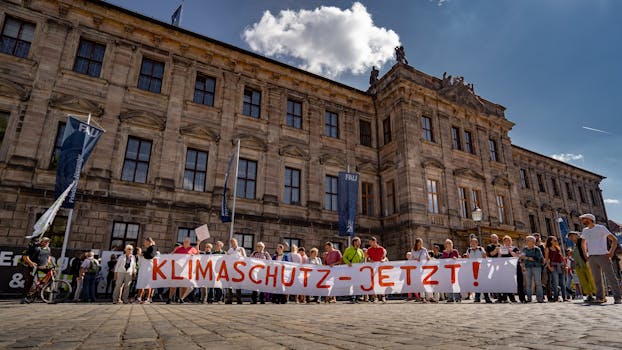
The intersection of art, culture, and environmental responsibility is a global phenomenon, but in the Czech Republic, this convergence has birthed a unique and vibrant scene. As climate change accelerates, Czech cultural projects are developing innovative ways to cope with environmental challenges while inspiring ecological awareness. These initiatives don’t just mitigate impact—they transform the very language of art, infusing it with urgent ecological messages and tangible sustainability practices. From eco-conscious festivals to upcycled public installations and avant-garde theater, the Czech cultural sector is proving that creativity and climate action can go hand in hand.
The Czech Response: Art as a Catalyst for Climate Awareness
Czech artists and cultural organizations have long held a reputation for challenging norms, and today’s environmental crisis has only fueled their ingenuity. According to the Czech Statistical Office, over 60% of cultural institutions in the country have introduced sustainability policies since 2020. These range from reducing carbon footprints at events to integrating climate education into artistic programming.
A standout example is the "Umění pro Klimat" (Art for Climate) initiative, which unites artists, architects, and scientists to produce projects that raise environmental consciousness. Their 2023 exhibition in Prague showcased installations powered entirely by renewable energy and highlighted the threat of biodiversity loss in Central Europe. Such efforts not only illuminate climate issues but also prompt public dialogue, encouraging communities to participate in ecological solutions through art.
.png)
Eco-Conscious Festivals: A New Standard in Event Sustainability
Music and arts festivals are a vital part of Czech culture, drawing hundreds of thousands annually. Yet, large gatherings traditionally come with significant environmental costs: waste production, energy consumption, and emissions from travel. Recognizing this, leading Czech festivals have begun transforming their operations.
For instance, the Colours of Ostrava festival—attended by over 40,000 people in 2023—has adopted a comprehensive green policy. They now utilize solar-powered stages, provide extensive recycling stations, and partner with local food vendors who emphasize plant-based menus. In 2022, Colours of Ostrava reported a 30% reduction in landfill waste compared to pre-pandemic years, and a 25% increase in attendee participation in recycling programs.
Other festivals, like Letní Letná (an international contemporary circus festival in Prague), have introduced "zero waste" zones, where all materials are reusable or compostable. These steps not only minimize environmental impact but also serve as live demonstrations of sustainable practices, influencing both attendees and other event organizers.
Public Art and Urban Eco-Installations: Transforming Spaces and Perspectives
Czech cities are increasingly using public art to drive ecological awareness and enhance urban environments. Prague’s "Green Line" project, launched in 2021, is a prime example. Artists and environmentalists collaborated to transform a disused tram line into a 1.5-kilometer eco-corridor, featuring sculptures constructed from recycled materials and interactive displays about local flora and fauna. The project attracted over 50,000 visitors in its first year and has since won the European Green Cities Award.
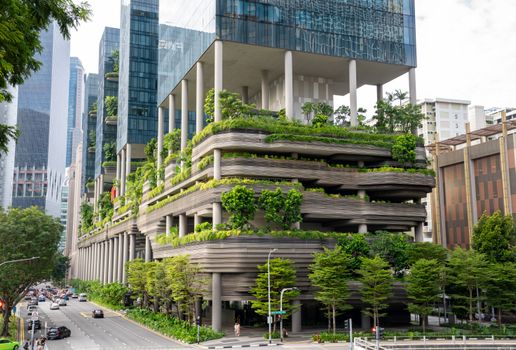
Similarly, the city of Brno has supported the installation of several "living walls"—vertical gardens that both beautify urban spaces and reduce air pollution. Not only do these installations offer aesthetic and ecological benefits, but they also serve as educational tools, illustrating how green infrastructure can play a role in climate adaptation.
Theater, Literature, and Performance: Narratives of Environmental Urgency
Beyond visual art, Czech theater and literature are increasingly tackling climate change as a central theme. The 2022 Prague Quadrennial, the world’s largest performance design event, featured dozens of productions exploring environmental collapse, resource scarcity, and human-nature relationships. One acclaimed performance, "Krajina ticha" (Landscape of Silence), used immersive soundscapes and recycled stage sets to portray a world transformed by climate extremes.
Czech literature, too, is evolving in response to ecological challenges. The 2021 Magnesia Litera prize, one of the country’s top literary honors, shortlisted three novels with environmental themes. Writers are weaving stories that not only reflect personal or national identity, but also confront the reality of a planet under stress.
This growing focus on ecological themes in performance and literature is shaping public discourse, helping audiences process the emotional and ethical dimensions of climate change.
Educational and Community Projects: Engaging Citizens in Climate Action
Many Czech cultural projects go beyond artistic expression to directly involve communities in environmental action. Organizations like "Veronica," an ecological center based in Hostětín, run workshops combining traditional crafts with sustainability education. In 2023 alone, Veronica trained more than 1,200 participants in upcycling, permaculture, and renewable energy.
The "Stromy pro Budoucnost" (Trees for the Future) campaign, launched by the Czech Environmental Partnership Foundation, collaborates with local artists to plant trees in urban and rural areas. These events blend art installations with hands-on conservation, making climate action tangible and accessible.
Such participatory projects are vital: research from Charles University indicates that citizen engagement in cultural-environmental initiatives increases long-term commitment to sustainable behaviors by up to 40%.
Comparing Czech Approaches: Sustainability Strategies in the Arts
Czech cultural organizations employ a variety of methods to address climate change. The following table compares some of the most impactful strategies in use:
| Project Type | Key Sustainability Actions | Measurable Outcomes | Example |
|---|---|---|---|
| Music & Arts Festivals | Solar energy, plant-based food, zero waste zones | 30% less landfill waste, increased recycling rates | Colours of Ostrava |
| Public Art Installations | Recycled materials, green infrastructure, educational signage | 50,000+ visitors, air quality improvements | Prague’s Green Line |
| Theater & Performance | Eco-themed scripts, recycled stage sets, immersive sound | Audience awareness, critical acclaim | Prague Quadrennial |
| Community Workshops | Traditional crafts, sustainability training, tree planting | 1,200+ participants per year, increased eco-engagement | Veronica Center, Stromy pro Budoucnost |
What Czech Ecological Art Offers to the World
The Czech approach to ecological art is characterized by a blend of creativity, pragmatism, and public engagement. Unlike some countries where environmental art remains largely symbolic, Czech initiatives frequently pair artistic expression with measurable sustainability outcomes—be it reduced waste, improved urban greenery, or increased citizen involvement.
A defining feature is the integration of traditional Czech cultural elements—such as folk crafts, theater, and community celebrations—with modern ecological practices. This fusion resonates with local audiences and creates models adaptable elsewhere. For example, the Hostětín apple festival, which has operated on renewable energy since 2010, has inspired similar eco-festivals across Central Europe.
Moreover, Czech artists are collaborating internationally, sharing techniques and co-developing projects with partners from Germany, Austria, and the Nordic countries. This cross-border exchange amplifies the reach of Czech ecological art and reinforces the global importance of culture in climate action.
Final Reflections: The Future of Czech Cultural Projects and Climate Action
As the world grapples with the realities of climate change, Czech cultural projects are demonstrating that art is not just a reflection of society, but an engine for transformation. By embedding sustainability into festivals, public spaces, performances, and community initiatives, Czech artists and organizations are empowering individuals and communities to reimagine their relationship with the environment.
The ongoing challenge is to scale these efforts and ensure they remain inclusive and impactful. Continued support from government, private sponsors, and the public will be crucial. But if the recent surge in ecological art is any indication, the Czech cultural sector is poised to remain at the forefront of climate-conscious creativity—offering inspiration and new pathways for ecological resilience both at home and around the world.