The Impact of Czech Culture on Foreign Artists and Their Work: Examples and Analyses
Czech culture, with its rich history, vibrant traditions, and dynamic art scene, has long served as a wellspring of inspiration for artists far beyond its borders. From the mystical allure of Prague’s gothic spires to the avant-garde innovations of Czech writers and filmmakers, the Czech Republic’s cultural influence can be traced in countless works of foreign artists across the globe. But what exactly is it about Czech culture that captivates creative minds from other lands? How have foreign artists absorbed, adapted, and reimagined Czech traditions in their own work? In this article, we delve into the multifaceted impact of Czech culture on foreign artists, highlighting specific examples, analyzing key trends, and exploring the enduring cross-cultural dialogue that continues to shape the global arts landscape.
The Allure of the Czech Aesthetic: Why Foreign Artists Are Drawn In
Czech culture is known for its distinctive blend of the mystical and the modern, the folkloric and the avant-garde. For centuries, the Czech lands have acted as a crossroads of European culture, absorbing influences from Germany, Austria, Poland, and beyond, while simultaneously exporting their own unique artistic vision.
One of the most prominent aspects that draws foreign artists to Czech culture is its visual language. Czech Art Nouveau, best exemplified by Alfons Mucha, has inspired countless international illustrators and designers. The whimsical, sometimes surreal, approach of Czech puppetry and marionette theater has been adopted by theater companies in the United States, Japan, and France.
.png)
Beyond the visual, the philosophical legacy of Czech writers like Franz Kafka and Milan Kundera has left an indelible mark on literature and film worldwide. The existential themes, dark humor, and subtle political undertones found in their works resonate with artists grappling with modernity and identity.
In a 2019 survey conducted by the European Cultural Foundation, over 65% of foreign artists working in the Czech Republic cited the "unique aesthetic and intellectual environment" as a primary motivation for their engagement with Czech culture.
Czech Influence in International Literature and Theater
The impact of Czech culture on foreign literature and theater is both profound and widespread. The term "Kafkaesque," derived from Prague-born writer Franz Kafka, is now a fixture in the global literary lexicon, describing situations that are surreal, oppressive, and nightmarish. Kafka’s influence can be seen in the works of American authors such as Philip Roth and David Foster Wallace, as well as in Japanese literature, most notably the novels of Haruki Murakami.
Czech theater, particularly the tradition of absurdist drama pioneered by Václav Havel, has inspired dramatists worldwide. Havel’s plays, marked by satire and political subtext, have been staged in dozens of countries and translated into over 25 languages. The Living Theatre in New York and the Théâtre de la Huchette in Paris both cite Czech absurdism as a key influence.
One of the most concrete examples is Tom Stoppard, a British playwright born in Czechoslovakia. Stoppard’s plays, such as "Rosencrantz and Guildenstern Are Dead," blend existential themes with absurdist humor—a direct homage to Czech dramatic traditions.
Czech Cinema’s Global Footprint: Inspiring Filmmakers Abroad
Czech cinema, particularly the Czech New Wave of the 1960s, has played a crucial role in reshaping global film. Directors like Miloš Forman, Jiří Menzel, and Věra Chytilová brought a fresh, irreverent style that challenged both artistic and political conventions.
When Miloš Forman emigrated to the United States, he brought his distinctly Czech sensibility to Hollywood, directing films like "One Flew Over the Cuckoo’s Nest" (1975) and "Amadeus" (1984). Both films won multiple Academy Awards and are considered masterpieces of world cinema.
The influence extends to contemporary filmmakers as well. Wes Anderson, known for his stylized visuals and eccentric narratives, has cited Czech animation and the works of filmmaker Jan Švankmajer as key inspirations. Švankmajer’s surreal stop-motion films, such as "Alice" (1988), have influenced animators and directors in France, Japan, and the United States.
According to the Czech Film Center, over 40 international film festivals featured Czech-inspired films or co-productions in 2022 alone, highlighting the ongoing relevance of Czech cinematic traditions.
Visual Arts: Czech Modernism and its International Echoes
The visual arts scene in the Czech Republic has long punched above its weight, producing world-renowned artists whose impact has rippled across continents. Alfons Mucha’s Art Nouveau posters, created in Paris but imbued with Czech sensibility, transformed commercial design in France, the UK, and the United States. Mucha’s iconic use of flowing lines, floral motifs, and feminine forms can be seen in everything from Japanese manga to contemporary tattoo art.
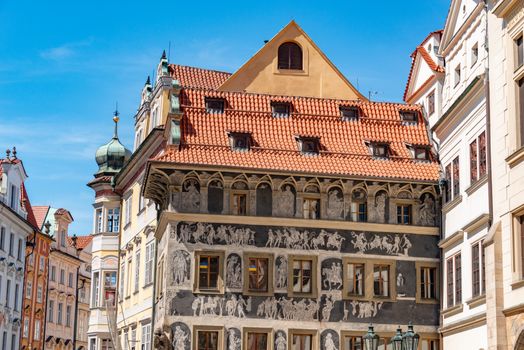
Cubism, while often associated with Picasso and Braque, found a unique architectural expression in Prague. Czech Cubist architecture and furniture design—visible in landmarks like the House of the Black Madonna—have inspired architects and designers worldwide. The angular, geometric forms of Czech Cubism can be traced in buildings from Berlin to Buenos Aires.
Even in the realm of contemporary art, Czech influences persist. The provocative installations of David Černý have inspired public art projects in London, Berlin, and San Francisco. His blend of humor, social commentary, and bold visuals has set a new standard for urban art interventions.
Music: From Dvořák to Jazz and Beyond
Czech music, rich in both classical and folk traditions, has influenced generations of musicians around the world. Antonín Dvořák, perhaps the most famous Czech composer, spent time in the United States, where his "New World Symphony" drew on both American and Bohemian musical idioms. Today, Dvořák’s work is performed by orchestras worldwide, and his blending of cultural motifs set a precedent for cross-cultural musical exploration.
Jazz, too, found fertile ground in the Czech lands, and the reciprocal exchange between Czech and foreign jazz musicians has been ongoing since the 1920s. American jazz legends such as Louis Armstrong and Duke Ellington visited Prague, inspiring local musicians and picking up elements of Czech musicality in return.
In the contemporary scene, Czech DJs and electronic musicians collaborate with international artists, drawing on traditional Czech melodies and rhythms. According to the Czech Music Office, collaborative projects between Czech and foreign musicians increased by 28% between 2015 and 2022, underscoring the ongoing vitality of this exchange.
Comparing Czech Cultural Influence: Art Forms and Reach
To better understand the breadth and depth of Czech cultural influence on foreign artists, the table below summarizes key art forms, notable Czech figures, international artists influenced, and examples of cross-cultural works.
| Art Form | Notable Czech Figures | International Artists Influenced | Examples of Works |
|---|---|---|---|
| Literature & Theater | Franz Kafka, Václav Havel | Haruki Murakami, Tom Stoppard | "Kafka on the Shore," "Rosencrantz and Guildenstern Are Dead" |
| Film & Animation | Miloš Forman, Jan Švankmajer | Wes Anderson, Tim Burton | "Amadeus," "Fantastic Mr. Fox" |
| Visual Arts | Alfons Mucha, David Černý | Tattoo artists, urban artists worldwide | Art Nouveau posters, public installations |
| Music | Antonín Dvořák | New York Philharmonic, jazz musicians | "New World Symphony," cross-cultural jazz projects |
Enduring Legacies: How Czech Culture Continues to Inspire Abroad
The impact of Czech culture on foreign artists is not merely historical—it is a living, evolving phenomenon. With the rise of globalization and digital communication, the exchange of artistic ideas has accelerated. International artists continue to visit Prague and other Czech cities for residencies, festivals, and collaborations.
Projects like the Prague Quadrennial, an international festival of performance design, attract thousands of foreign artists and foster new partnerships each year. Czech cultural traditions, from puppetry to architectural innovation, remain a source of fascination and experimentation for creatives worldwide.
In 2023, data from the Czech Ministry of Culture showed that over 2,500 foreign artists participated in Czech-based cultural events, workshops, and residencies—a 32% increase from 2018. This vibrant, ongoing engagement ensures that Czech culture will remain a powerful influence in the global arts scene for years to come.