Digital technology has revolutionized industries worldwide, and the Czech art scene is no exception. From Prague’s grand galleries to emerging virtual spaces, Czech artists, curators, and audiences are engaging with art in ways unimaginable just two decades ago. While digital tools open new creative vistas and accessibility, they also bring complex challenges related to authenticity, commercialization, and preservation. This article delves into how digital technologies are reshaping the Czech art landscape, highlighting both the exciting opportunities and the critical questions they pose.
How Digital Platforms Are Transforming Art Creation in the Czech Republic
The process of creating art in the Czech Republic has undergone radical change thanks to digital innovation. No longer confined to traditional mediums like oil paint or sculpture, Czech artists now harness powerful digital tools—graphic tablets, 3D modeling software, and even artificial intelligence—to realize their visions.
For example, digital painting platforms such as Procreate and Adobe Photoshop are widely adopted by Czech illustrators and designers. Data from the Czech Statistical Office in 2022 showed that over 65% of creative professionals under 35 regularly use digital tools in their artistic process. This has led to a surge in digital art collectives and collaborations, such as the Prague-based "Signal Festival," which showcases immersive digital installations across the city each autumn.
.png)
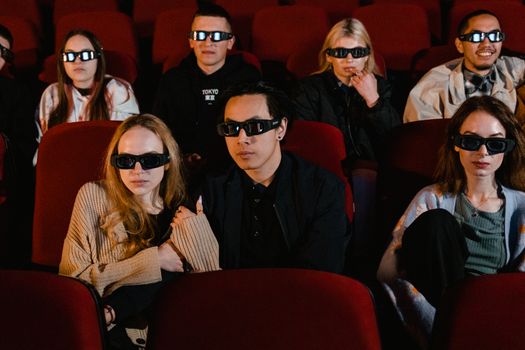
Moreover, emerging technologies like augmented reality (AR) and virtual reality (VR) are enabling Czech artists to create interactive experiences that blend the physical and digital worlds. In 2023, the National Gallery Prague premiered its first VR exhibition, allowing visitors to "walk" through reimagined historical Czech paintings from the comfort of their homes. These innovations lower barriers for experimentation and broaden the conceptual horizons of what Czech art can be.
Expanding Audiences: Digital Access and Global Reach
One of the most profound impacts of digital technology is the dramatic expansion of audiences. Before the digital age, Czech art was typically enjoyed by those who could visit galleries or attend events in person. Now, online platforms open Czech creativity to global viewers and collectors.
Social media channels like Instagram and Facebook are instrumental in promoting Czech artists. For instance, the hashtag #CzechArt has surpassed 500,000 posts on Instagram as of early 2024, providing a vibrant showcase for both emerging and established creators. Digital marketplaces such as Artmajeur and Saatchi Art allow Czech artists to sell works internationally, bypassing traditional gatekeepers like galleries and auction houses.
Additionally, the COVID-19 pandemic accelerated the trend of virtual exhibitions and online art fairs. According to the Association of Czech Art Galleries, online viewership of Czech exhibitions increased by 220% between 2019 and 2021. This digital shift ensures that art is accessible regardless of geography, physical ability, or financial means.
Monetization and the Rise of NFTs in the Czech Art Scene
Digital technologies have fundamentally changed how Czech artists monetize their work. One notable development is the rise of non-fungible tokens (NFTs), unique digital certificates stored on the blockchain that verify ownership of digital assets.
NFTs exploded onto the Czech scene in 2021, with several local artists achieving international recognition. The artist Jakub Spurný, for example, sold a digital artwork as an NFT for 2.5 ETH (approximately 90,000 CZK at the time) in early 2022. Czech NFT marketplaces such as Artiffine have emerged, tailored to local artists and collectors.
The table below compares traditional and digital art sales channels in the Czech Republic:
| Aspect | Traditional Art Sales | Digital Art Sales (NFTs/Platforms) |
|---|---|---|
| Primary Venue | Galleries, Auctions | Online Marketplaces, NFT Platforms |
| Buyer Location | Mainly Domestic | Global |
| Artist Revenue Share | 40-60% | 80-95% |
| Authenticity Verification | Physical Certificates | Blockchain Technology |
| Accessibility | Limited by geography | Accessible worldwide, 24/7 |
While NFTs offer greater revenue potential and global reach, they also raise concerns over environmental impact (crypto mining consumes significant energy) and the volatility of digital currencies. Furthermore, the lack of regulation in the NFT marketplace has led to instances of art theft and copyright infringement, challenging both artists and collectors.
Preserving Heritage: Digitization and Archival Challenges
Digital technologies are invaluable for preserving Czech artistic heritage. Museums and archives are digitizing paintings, photographs, and sculptures, ensuring they are safeguarded against physical decay or loss. The National Museum’s "Czech Digital Library" project has digitized over 1.2 million cultural artifacts, making them accessible to researchers and the public alike.
However, digital preservation is not without its pitfalls. Data formats and storage media become obsolete quickly—what was standard a decade ago may be unreadable today. This introduces a paradox: while digitization can theoretically immortalize art, it also requires ongoing investment in data migration and format updating. In 2023, a study by Charles University found that up to 18% of Czech digital archives risked becoming inaccessible due to outdated file formats or lost metadata.
Additionally, digitization raises ethical questions about reproduction rights and the commercialization of public domain artworks. Some Czech artists and institutions have voiced concerns over unauthorized reproductions circulating online, complicating efforts to control how art is used and monetized.
Challenges of Authenticity, Copyright, and Artistic Identity
The digital revolution, while opening countless doors, also presents significant challenges for Czech artists. Issues of authenticity and copyright have become especially pressing. Digital works are easy to copy, alter, and distribute, making it difficult for artists to protect their intellectual property.
In response, Czech legal frameworks are slowly adapting. The Czech Copyright Act was amended in 2022 to clarify protections for digital works, but enforcement remains complex. Online art theft and plagiarism persist, with reports indicating that over 35% of surveyed Czech digital artists have experienced unauthorized use of their work.
Moreover, the proliferation of AI-generated art is sparking debate about what constitutes original artistic identity. When an algorithm creates a painting in the style of Alfons Mucha, for example, who owns the rights? Such questions challenge both legal definitions and the very notion of creativity in a digital age.
Education and Skill Development: Preparing the Next Generation
With digital technology now integral to the art world, Czech educational institutions are evolving to prepare young artists for new realities. Art academies such as the Academy of Fine Arts in Prague offer courses on digital media, animation, and interactive design. In 2023, enrollment in digital arts programs increased by 28% compared to traditional painting and sculpture.
Workshops and online tutorials have also democratized skill development. Platforms like Skillshare and Udemy report significant participation from Czech users in courses covering graphic design, digital illustration, and even NFT creation. These educational shifts ensure that Czech artists remain competitive in an increasingly digital global marketplace.
However, the rapid pace of technological change can leave some artists behind, particularly those from older generations or rural areas with limited internet access. Bridging this digital divide is an ongoing challenge for policymakers and arts organizations alike.
Final Reflections on Digital Technologies and the Czech Art Scene
Digital technologies are reshaping the Czech art scene in profound and multifaceted ways. They empower creators to experiment with new forms, connect with global audiences, and monetize their work beyond traditional boundaries. Yet, these advances also bring challenges—questions of authenticity, preservation, copyright, and equitable access remain unresolved.
The future of Czech art will likely be defined by a dynamic interplay between tradition and innovation. As artists, curators, and institutions navigate this landscape, thoughtful engagement with digital tools will be essential to ensure that Czech creativity continues to thrive, inspire, and endure for generations to come.