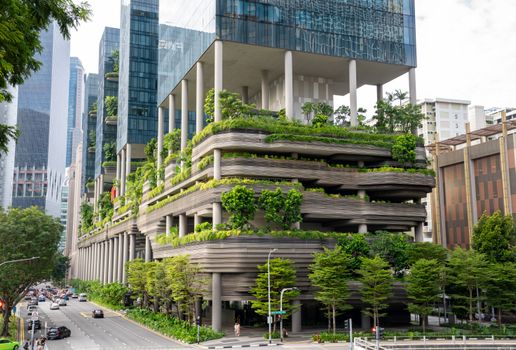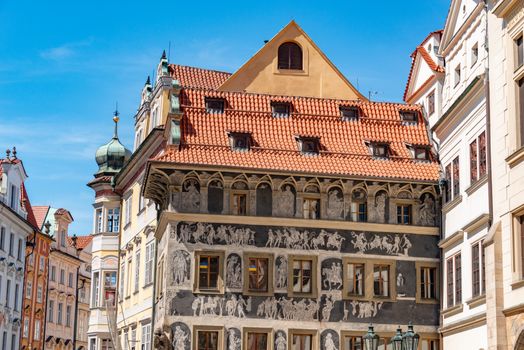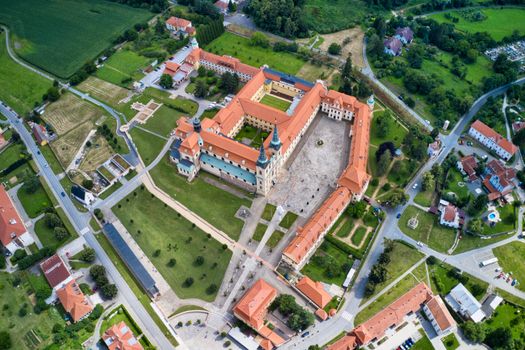
Czech architecture, long admired for its medieval castles, Baroque palaces, and Modernist triumphs, stands today at a fascinating crossroads. The 21st century has brought unprecedented global exchange, allowing foreign artistic ideas to flow into the heart of Europe like never before. This article explores how outside artistic styles—ranging from Scandinavian minimalism to Japanese Zen and High-Tech British influences—have shaped the Czech architectural landscape since the year 2000. Through specific examples, comparative analysis, and data, we reveal how these influences are integrated, adapted, and reimagined within the Czech context, creating a dynamic new era for the country’s built environment.
The Globalization of Czech Architecture: New Inspirations in the 21st Century
The Czech Republic’s accession to the European Union in 2004 marked a significant turning point for its architecture. As borders opened and international travel became easier, Czech architects gained greater exposure to foreign trends, while foreign studios found new opportunities for commissions in Prague, Brno, and beyond. Globalization also accelerated the spread of architectural media—magazines, websites, and social networks—making international styles instantly accessible.
According to the Czech Chamber of Architects, between 2004 and 2022, the number of international architectural competitions held in the country tripled, with foreign studios winning roughly 28% of major public contracts. This increased collaboration has led to an influx of diverse ideas, materials, and construction techniques.
.png)
But globalization is not just about copying. Czech architects are known for their ability to intelligently adapt and reinterpret these outside styles, blending them with local traditions and needs. The result is a unique hybridization that defines 21st-century Czech architecture.
Scandinavian Minimalism: Clean Lines and Sustainable Solutions
One of the most visible influences on contemporary Czech architecture is Scandinavian minimalism. Characterized by simplicity, function, and a close relationship with nature, this style resonates with a new generation of Czech architects seeking sustainable and human-centered solutions. The influence is evident in both residential and public projects.
For example, the revitalization of the Smíchov district in Prague features several apartment buildings inspired by Danish and Swedish designs, with open-plan interiors, large wooden surfaces, and abundant natural light. The Czech firm QARTA Architektura, inspired by Scandinavian precedents, designed the new elementary school in Chýně (2020) using Nordic-style wood cladding and energy-efficient systems. The project was shortlisted for the Czech Architecture Award 2021.
Sustainability, a core principle of Scandinavian architecture, is gaining ground in the Czech Republic as well. According to a 2023 report by the Czech Green Building Council, the number of certified green buildings in the country increased by 340% between 2010 and 2022, and many of these feature Scandinavian-inspired energy solutions, such as triple-glazed windows, living roofs, and geothermal heating.
Japanese Zen and Czech Urban Spaces: Simplicity Meets Spirituality
Japanese architecture, with its emphasis on harmony, minimalism, and integration with nature, has found fertile ground in Czech urban design. While Japanese influence was present in Czech Modernism, it has gained renewed relevance as cities strive for more peaceful and contemplative public spaces.
One striking example is the Meditační Zahrada (Meditation Garden) in Plzeň, designed in 2011 by Czech architects influenced by Japanese Zen gardens. Its raked gravel, minimalist stone arrangements, and discrete plantings offer an oasis of calm in the urban environment. Similarly, the 2018 renovation of the Prague Botanical Garden’s Japanese section involved collaboration with Japanese landscape architects, introducing authentic tea houses and stone lanterns.
This fusion is not limited to gardens. The New National Gallery in Ostrava, completed in 2021, incorporates Zen-inspired courtyards and shoji-like sliding screens, creating spaces for contemplation amid the bustle of the city.
High-Tech and British Influences: Innovation and Urban Landmarks
British High-Tech architecture, characterized by exposed steel structures, glass facades, and cutting-edge engineering, has made a significant imprint on the Czech skyline. This style, pioneered by architects like Norman Foster and Richard Rogers, is especially evident in commercial and civic buildings.
A prominent example is the Florentinum complex in Prague (2013), designed in collaboration with the London-based studio Make Architects. The building’s open atriums, steel skeleton, and extensive use of glass reflect British High-Tech principles, while its public plazas were adapted to suit Prague’s pedestrian culture.
Another landmark is the Main Point Karlin office building (2012), which features a futuristic facade and advanced environmental systems. While designed by the Czech firm DaM architects, the building draws on the British High-Tech tradition of integrating technology as a visible aesthetic element.
According to a 2022 report by the Prague Institute of Urban Development, 40% of new large-scale commercial buildings in Prague since 2005 display High-Tech or contemporary British stylistic influences, particularly in their structural expression and sustainability features.
Comparative Overview: Key Foreign Influences in Czech 21st-Century Architecture
The table below summarizes the most prominent foreign artistic influences on Czech architecture in the 21st century, highlighting key features, local examples, and the primary sectors where each style is most evident.
| Foreign Style | Key Characteristics | Notable Czech Example | Main Sector |
|---|---|---|---|
| Scandinavian Minimalism | Simple forms, sustainable materials, natural light | Chýně Elementary School, Prague Smíchov Apartments | Residential, Educational |
| Japanese Zen | Harmony with nature, minimalist gardens, contemplative spaces | Meditation Garden Plzeň, Prague Botanical Garden | Public Spaces, Cultural Institutions |
| British High-Tech | Steel and glass, exposed structures, visible technology | Florentinum Prague, Main Point Karlin | Commercial, Civic |
| Central European Modernism | Functionalism, geometric shapes, integration of art | DOX Centre for Contemporary Art (expansions) | Museums, Cultural Centers |
| Southern European Mediterranean | Terraces, earthy materials, open courtyards | Residential Villas in Brno suburbs | Luxury Residential |
Adaptation Versus Imitation: The Czech Approach to Foreign Styles
A crucial aspect of the Czech response to foreign artistic influences is the emphasis on adaptation rather than mere imitation. Czech architects often reinterpret international styles through a local lens, ensuring that new buildings are sensitive to historical context, climate, and community needs.
For instance, while Scandinavian minimalism inspires many new residential projects, Czech architects frequently incorporate traditional elements like stucco facades or tiled roofs, blending old and new. Similarly, the use of Japanese Zen elements in public gardens is adapted to local flora and visitor habits, creating spaces that are distinctly Czech yet globally inspired.
One illustrative example is the Sluňákov Ecological Education Centre near Olomouc. Designed by Projektil Architekti, the building combines Scandinavian sustainability, Japanese spatial concepts, and traditional Czech folk motifs, resulting in a structure that is both internationally informed and deeply rooted in its community.
This adaptive approach ensures that foreign influences enrich, rather than erase, the local architectural identity.
Challenges and Critiques: Balancing Global Trends with National Identity
While the integration of foreign styles has brought innovation and diversity to Czech architecture, it has also sparked debate. Critics argue that excessive reliance on international trends may risk diluting the unique character of Czech cities and towns.
Data from the Czech Heritage Institute shows that public concern about “context-insensitive” modern buildings rose by 22% between 2015 and 2022, particularly in historic urban centers such as Prague’s Old Town. In response, local authorities have tightened regulations to ensure new developments respect traditional streetscapes and materials.
Furthermore, some critics point out that global styles do not always address local climatic or social conditions. For example, extensive glass facades inspired by British High-Tech designs can lead to overheating in summer if not properly adapted. This has prompted a renewed interest in passive design strategies and local materials.
Nevertheless, most architects and scholars agree that, when thoughtfully integrated, foreign influences can revitalize Czech architecture, fostering creativity, sustainability, and international relevance.
The Future of Czech Architecture: A Crossroads of Cultures
As the 21st century unfolds, Czech architecture will continue to be shaped by a dialogue between global inspirations and local traditions. International collaborations are likely to expand, especially as Czech cities compete for investment, tourism, and cultural prestige. The challenge will be to harness the best of foreign artistic styles while preserving the distinctive spirit of Czech cities and landscapes.
New generations of Czech architects are already rising to this challenge, blending influences from Scandinavia, Japan, Britain, and beyond in ways that are innovative yet respectful of heritage. The result is a built environment that is both cosmopolitan and unmistakably Czech—a testament to the enduring power of creative exchange.