In today’s rapidly changing world, conversations about sustainability often center on high-tech solutions, government policies, and international agreements. While these efforts are indispensable, a quieter revolution is taking place in communities worldwide—one where age-old customs and local traditions play a surprising role in environmental stewardship. Culture and sustainability are deeply intertwined, and understanding how local practices contribute to a healthier planet can offer valuable lessons for modern society. This article explores how traditional knowledge, community rituals, and indigenous wisdom support sustainable living and why protecting cultural heritage is crucial for environmental resilience.
The Overlooked Link Between Culture and Environmental Protection
Many people see culture as a set of customs, arts, and social behaviors, often disconnected from the natural world. However, anthropologists and ecologists have long recognized that cultural practices frequently shape how communities interact with their environments. According to a 2021 UNESCO report, over 370 million indigenous people worldwide manage or hold tenure over 25% of the Earth’s land surface, including many of its most biodiverse regions. These populations often rely on traditional ecological knowledge passed down through generations, guiding sustainable hunting, farming, and resource use.
For example, the Ifugao rice terraces in the Philippines, a UNESCO World Heritage Site, have been maintained for over 2,000 years through intricate water management systems and communal labor. Similarly, the Sámi people in Scandinavia manage reindeer herds using rotational grazing patterns that prevent overuse of fragile Arctic landscapes. These examples demonstrate that local customs are not relics of the past, but living systems that actively protect natural resources.
.png)
Traditional Agricultural Practices: Farming in Harmony with Nature
Modern industrial agriculture has greatly increased food production, but often at a steep environmental cost—soil depletion, water contamination, and loss of biodiversity. In contrast, many traditional farming methods are rooted in sustainable principles that minimize ecological damage. A global survey by the Food and Agriculture Organization (FAO) found that approximately 500 million smallholder farms worldwide produce 80% of the food consumed in Asia and sub-Saharan Africa, often using time-tested agroecological techniques.
One striking example is milpa, a traditional Mesoamerican polyculture system in which maize, beans, and squash are grown together. This “three sisters” approach naturally enriches the soil, reduces pests, and maintains productivity without synthetic fertilizers or pesticides. In West Africa, the zaï technique—digging small holes to collect water and compost—has helped restore thousands of hectares of degraded land in Burkina Faso and Niger. Such methods demonstrate that local agricultural traditions offer scalable, low-cost solutions to some of today’s most pressing environmental challenges.
Cultural Festivals and Rituals: Sustaining Nature Through Celebration
Cultural festivals and rituals are more than just opportunities for social gathering—they often encode ecological wisdom and reinforce sustainable behaviors. In Bali, Indonesia, the subak irrigation system is managed through a complex set of religious ceremonies and community agreements. Each year, farmers participate in water temple rituals that synchronize planting, water-sharing, and pest control across the landscape. This system has preserved rice terrace ecosystems for over a thousand years and was recognized as a UNESCO cultural landscape in 2012.
In parts of India, the Bishnoi community is famous for its conservation ethics, rooted in 29 religious principles developed in the 15th century. Bishnois prohibit the felling of green trees and the killing of animals, leading to thriving populations of blackbuck antelope and desert flora in regions where they live. These examples illustrate how celebrations and religious practices can foster a collective sense of responsibility toward the environment.
Indigenous Knowledge and Modern Science: Bridging Two Worlds
While modern science excels at measuring and analyzing environmental change, indigenous and local knowledge offers a holistic understanding of how ecosystems function over time. The Intergovernmental Science-Policy Platform on Biodiversity and Ecosystem Services (IPBES) emphasizes the need to integrate indigenous knowledge into global environmental assessments. Studies have shown that areas managed by indigenous peoples have, on average, equal or greater biodiversity than protected areas managed by governments.
A comparative look at conservation outcomes illustrates this synergy:
| Management Approach | Average Biodiversity Index | Forest Loss (2000–2020) | Example Region |
|---|---|---|---|
| Indigenous Management | High (0.75–0.95) | Low (less than 5%) | Amazon, Canada’s Boreal Forest |
| Government Protected Areas | Moderate to High (0.65–0.90) | Moderate (10–15%) | Yellowstone, Kruger National Park |
| Unmanaged/Commercial Use | Low (0.30–0.60) | High (over 25%) | Parts of Southeast Asia, Central Africa |
This table highlights that indigenous-managed lands frequently outperform other types of management in preventing biodiversity loss and deforestation. For instance, the Brazilian Amazon saw forest loss rates three times lower in indigenous territories compared to surrounding areas between 2000 and 2020, according to satellite analysis.
Reviving and Adapting Local Traditions for the Future
As globalization and urbanization accelerate, many local traditions face the risk of disappearing. Yet, there is growing recognition—from grassroots organizations to international bodies—of the value of cultural heritage in sustainability efforts. Programs like UNESCO’s Intangible Cultural Heritage list and the FAO’s Globally Important Agricultural Heritage Systems (GIAHS) are working to document, protect, and revitalize traditional knowledge.
One promising example is the resurgence of community seed banks in Nepal, Ethiopia, and parts of Latin America. These locally organized initiatives conserve native crop varieties, strengthen food security, and foster community resilience in the face of climate change. Similarly, in Europe, traditional pastoralist routes known as transhumance have been designated cultural heritage, supporting the conservation of open landscapes and rare species.
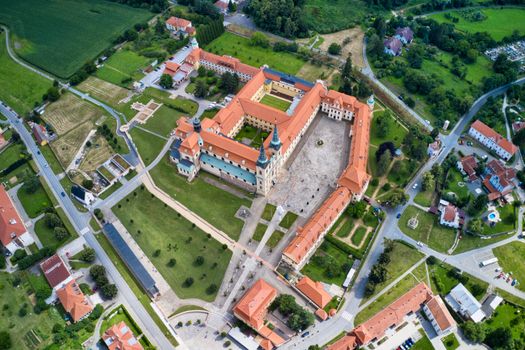
Adapting local traditions to new contexts is also crucial. In the Czech Republic, for example, some villages are reviving traditional pond management and fish farming methods to improve water retention and reduce flood risks in response to climate change. These efforts show how blending traditional knowledge with modern science can create innovative solutions for contemporary challenges.
Why Protecting Cultural Diversity Supports Sustainability
Protecting cultural diversity is not just about preserving colorful festivals or ancient songs—it is a strategy for environmental resilience. The United Nations Environment Programme (UNEP) estimates that 80% of the world’s remaining biodiversity is found on land managed by indigenous peoples and local communities. As global challenges like climate change and habitat loss intensify, these communities’ knowledge systems become invaluable.
Moreover, cultural diversity is often linked to biological diversity. Linguists have found that regions with high linguistic diversity frequently overlap with biodiversity hotspots, suggesting that preserving languages and traditions also helps safeguard ecosystems. When local communities have a voice in resource management, outcomes for both people and nature improve.
Final Thoughts: Embracing the Wisdom of Local Traditions for a Sustainable Planet
The intersection of culture and sustainability offers powerful lessons for anyone concerned about the future of our planet. From agricultural practices that nurture the soil to rituals that foster environmental stewardship, local traditions contain a wealth of knowledge honed over centuries. As the world seeks innovative solutions to environmental crises, it is essential not to overlook the wisdom embedded in cultural heritage.
By valuing and protecting local traditions, societies can unlock new pathways toward sustainability—ones that are not only effective but deeply rooted in community and identity. In the end, the path to a sustainable future may depend as much on honoring the past as on embracing the new.