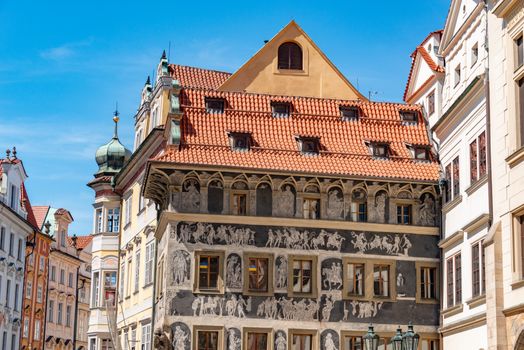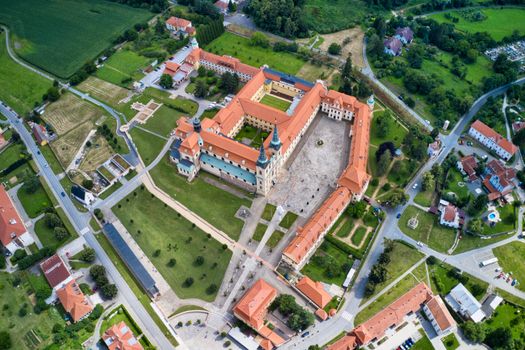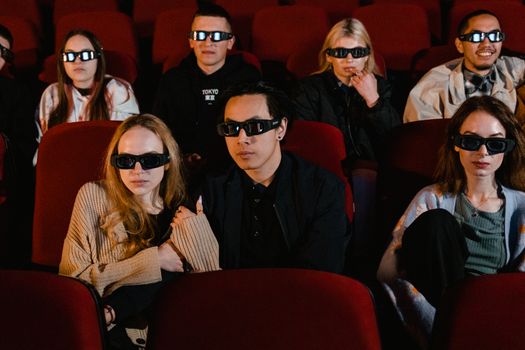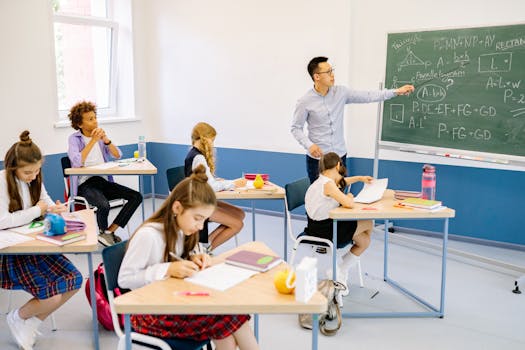
The Czech Republic has long been recognized for its robust education system, steeped in a deep appreciation for history, language, and the arts. But what truly distinguishes Czech education is its deliberate and multi-faceted approach to integrating cultural education into the fabric of teaching across all grade levels. In a world grappling with globalization, migration, and evolving identities, the Czech model offers a compelling example of how schools can nurture well-rounded, culturally literate citizens. This article explores how Czech education weaves culture into the curriculum, the methods it employs, the benefits it yields, and how it compares to other European systems.
The Foundations of Cultural Education in the Czech Curriculum
Cultural education is not an optional add-on in Czech schools; it is a well-structured and mandatory element embedded within the national curriculum. The Framework Educational Programme for Basic Education (FEP), introduced in 2004 and periodically updated, outlines the core values and competencies that Czech students are expected to acquire. Among the key objectives are:
- Fostering respect for Czech traditions, history, and language - Encouraging understanding and appreciation of diverse cultures - Promoting critical thinking about media, arts, and societal valuesFrom the earliest grades, subjects such as Czech language and literature, history, music, art, and civic education are interwoven with cultural content. For example, Czech language lessons often incorporate classic literature, folklore, and poetry, while history classes emphasize the nation’s complex past, including its periods of occupation, resistance, and transformation.
.png)
By the time students reach secondary school, cultural education expands to include philosophy, art history, and even elements of world religions, ensuring that young people are equipped not just with facts, but with a nuanced understanding of identity and society.
Practical Approaches: How Teachers Bring Culture Into the Classroom
Czech educators employ a variety of practical methods to immerse students in cultural learning:
1. $1 Many schools organize interdisciplinary projects centered on Czech holidays, historical anniversaries, or local traditions. For instance, students might research the Velvet Revolution, create presentations about traditional folk costumes, or reenact scenes from renowned Czech plays. 2. $1 Schools frequently collaborate with museums, galleries, theaters, and libraries. According to the Czech Ministry of Education, in 2022, over 65% of primary schools participated in at least one partnership program with a cultural institution. 3. $1 Field trips to historical sites, folk festivals, and artistic performances are common. Students may visit Prague Castle, attend performances at the National Theatre, or participate in workshops on traditional crafts like glassblowing or puppet making. 4. $1 Schools often host poets, musicians, visual artists, and historians for workshops and talks. This not only exposes students to living culture but also encourages them to ask questions and engage critically. 5. $1 Recognizing the Czech Republic’s growing diversity, many schools dedicate specific days or weeks to celebrating the cultures of minorities and neighboring countries. These events might include food tastings, music performances, language mini-lessons, and discussions about migration and integration.Impact of Cultural Education on Students
The long-term benefits of integrating cultural education are evident in numerous domains:
- $1 According to a 2021 study by Masaryk University, Czech students who participated in cultural programs were 23% more likely to volunteer or engage in community projects by age 18. - $1 Schools that emphasize cultural education report lower rates of bullying and higher levels of empathy among students. The Czech Ombudsman’s 2019 annual report noted that schools with active cultural programs saw a 17% decrease in reported incidents of discrimination. - $1 Exposure to arts and heritage is linked to improved critical reading and analytical skills. The Czech School Inspectorate found in 2020 that students from schools with robust cultural programs scored, on average, 8% higher in language and history exams.These outcomes highlight that cultural education is not just about preserving heritage, but about fostering the skills and attitudes necessary for life in a pluralistic society.
Comparing Czech Cultural Education to Other European Models
While many European countries recognize the importance of cultural education, the Czech approach is unique in its integration and scope. The following table compares key aspects of cultural education in the Czech Republic, Germany, France, and Poland.
| Country | Integration in Curriculum | Partnerships with Cultural Institutions | Emphasis on National vs. Multicultural Content | Compulsory Cultural Subjects |
|---|---|---|---|---|
| Czech Republic | Highly integrated (all levels) | Very common (65% of schools) | Balanced (national and multicultural) | Czech Language, History, Arts |
| Germany | Variable (by federal state) | Common, but less centralized | National focus with growing multicultural elements | German Language, History, Ethics/Religion |
| France | Centralized, strong focus on French identity | Frequent, often state-funded | Primarily national, some regional diversity | French Language, History, Philosophy |
| Poland | High, especially in primary schools | Less frequent, varies by region | Mainly national culture and history | Polish Language, History, Religion |
This comparison illustrates that Czech schools not only ensure a strong foundation in national culture but also actively seek to reflect the country’s evolving multicultural reality.
Addressing Cultural Diversity and Modern Challenges
Historically, Czech education focused almost exclusively on national culture, shaped by centuries of foreign rule and the desire to preserve Czech language and identity. However, as the Czech Republic becomes increasingly diverse—UN data indicates that the number of foreign-born residents grew by 54% between 2005 and 2022—schools are adapting in several ways:
- $1 Roma, Slovak, Vietnamese, and Ukrainian communities are now represented in textbooks and school projects. For example, some schools feature Roma fairy tales or invite Vietnamese community leaders to speak about Tet celebrations. - $1 With over 70,000 non-native Czech speakers in Czech schools as of 2023, language support programs help these students engage with both Czech and their own cultural heritage. - $1 Lessons increasingly reference European and world history, global literature, and international events, helping students connect Czech experiences with global trends. - $1 Recognizing the influence of globalized media, cultural education now includes critical analysis of social media, film, and digital art, equipping students to navigate a complex information landscape.Teachers as Cultural Ambassadors
The success of cultural education relies heavily on teachers, who serve not only as instructors but as cultural ambassadors. The Czech Republic invests in teacher training programs that emphasize cultural competency, interdisciplinary teaching, and creative pedagogy. For example:
- $1 In 2021, over 4,000 Czech teachers participated in workshops on multicultural education and inclusive teaching strategies. - $1 The Ministry of Education provides guides, lesson plans, and digital materials for integrating culture into daily teaching. - $1 International exchange programs (such as Erasmus+) allow Czech teachers to learn from colleagues in other countries, bringing new ideas and perspectives back to their own classrooms.This emphasis on continuous professional development ensures that teachers have the tools and confidence to foster cultural curiosity and understanding.
Looking Ahead: The Future of Cultural Education in Czech Schools
As Czech society continues to evolve, so too does its approach to cultural education. Upcoming reforms aim to:
- Further integrate digital media and contemporary arts into the curriculum - Expand cooperation with minority communities and non-governmental organizations - Foster student-led cultural projects and international partnershipsWith 92% of Czech parents in a 2023 IPSOS survey expressing support for cultural education in schools, the future looks bright for a model that not only preserves heritage but prepares young people for a globalized world.