Czech Architecture and Climate Change: Sustainable Projects and Innovations Shaping the Future
Climate change is an urgent global issue, and the built environment plays a central role in both causing and mitigating its effects. In the Czech Republic, a country known for its historic castles, medieval towns, and modernist gems, architects and urban planners are confronting this challenge head-on. By reimagining traditional techniques and embracing cutting-edge technologies, Czech architecture is evolving to create buildings and communities that are resilient, energy-efficient, and harmonious with the environment. This article explores how Czech architecture is responding to climate change, highlighting key sustainable projects, innovative strategies, and the unique ways in which Czech designers are shaping a greener future.
Historic Context: Tradition Meets Innovation in Czech Sustainable Design
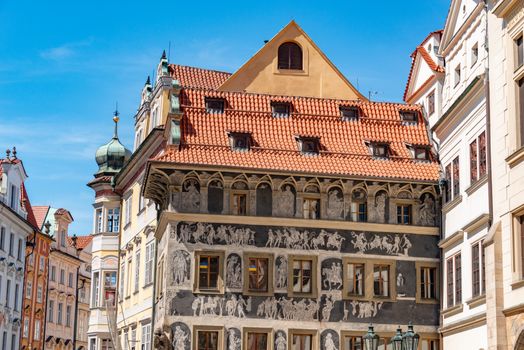
Czech architecture is steeped in history, ranging from Gothic cathedrals to the avant-garde works of the 20th century. Historically, Czech builders demonstrated a deep understanding of local conditions, using materials such as stone, brick, and timber sourced from the region. Passive strategies, such as thick masonry walls for insulation and small windows to minimize heat loss, were common in older structures.
.png)
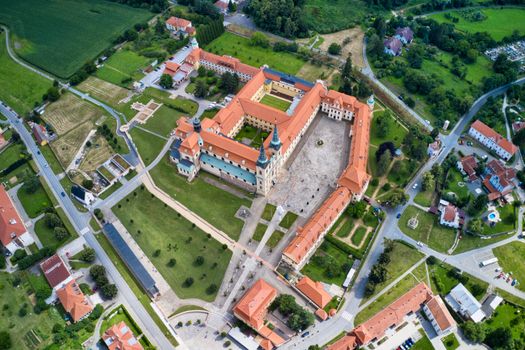
Today, Czech architects are revisiting these traditional methods and merging them with modern innovations. For instance, adaptive reuse of historic buildings is gaining momentum, preventing unnecessary demolition and preserving embodied energy. The restoration of Prague’s Emauzy Monastery, which integrated geothermal heating and energy-saving glazing, exemplifies how heritage sites can serve modern sustainability goals.
According to the Czech Green Building Council, by 2023, approximately 30% of new building projects in the Czech Republic incorporated some form of sustainable technology or design, signaling a significant shift toward greener practices.
Passive and Active Strategies in Modern Czech Architecture
To reduce carbon emissions and reliance on fossil fuels, Czech architects are employing both passive and active design strategies. Passive design refers to architectural features that reduce the need for mechanical heating and cooling, while active strategies involve technology such as solar panels and heat pumps.
Key passive strategies used in modern Czech buildings include: - Orientation and shading: Positioning buildings to maximize sunlight in winter and minimize overheating in summer. - High-performance insulation: Using advanced materials to reduce energy loss. - Ventilation: Implementing natural ventilation systems to improve indoor air quality and comfort.On the active side, solar panels are increasingly common. In 2022, the Czech Republic installed more than 62 megawatts of new solar capacity, with a notable share integrated directly into building projects. District heating systems, which use waste heat from industry or renewable sources, are also being adapted in urban developments in Brno and Ostrava.
Showcase Projects: Leading Examples of Sustainable Czech Architecture
Several flagship projects illustrate the advances of Czech architecture in the face of climate change. Here are a few that have drawn both national and international attention:
1. $1 - Completed in 2009, this building features double-skin façades, automated shading, and a rainwater harvesting system that covers up to 80% of non-potable water needs. Its energy consumption is 30% lower than similar university buildings. 2. $1 - Opened in 2019, this public school serves 540 students and is one of the largest passive house-certified schools in Central Europe. Thanks to its insulated envelope, triple glazing, and heat recovery ventilation, it consumes only 15 kWh/m² of energy annually for heating—more than 80% less than traditional Czech schools. 3. $1 - A striking example of urban regeneration, DRN combines a historic baroque palace with a modern extension. It uses a green roof, rainwater management, and low-energy lighting to reduce its environmental footprint. 4. $1 - This complex in Brno focuses on flexible workspaces with natural daylight, green courtyards, and energy-efficient climate control, supporting both innovation and sustainability.Urban Planning and Green Infrastructure in Czech Cities
Urban heat islands, flooding, and air pollution are growing concerns in Czech cities—problems worsened by climate change. Urban planners are therefore turning to green infrastructure to make cities more livable and resilient.
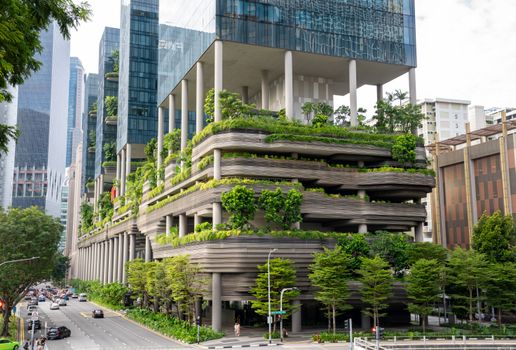
Key initiatives include: - $1: Prague’s city center now boasts over 150,000 square meters of green roofs, which help manage stormwater, reduce heat, and provide habitats for urban wildlife. - $1: Projects like the ongoing revitalization of the Vltava riverbanks in Prague restore natural landscapes, improve flood resilience, and create recreational spaces. - $1: Expansion of bike lanes, electric trams, and pedestrian zones in cities like Brno and Ostrava helps reduce transportation emissions.A 2021 report from the Czech Ministry of Environment found that green infrastructure projects in Prague alone are expected to reduce the city’s average summer temperature by up to 2°C by 2030, while also improving air quality and biodiversity.
Materials and Technologies: Local Solutions with Global Impact
Czech architects have a long tradition of using locally sourced materials. Today, this approach is reinforced by new technologies and a focus on the building’s life cycle.
$1 - Timber from Czech forests is increasingly used in both residential and public buildings, thanks to its low carbon footprint and renewable nature. - Recycled brick and stone from demolished structures are finding new life in contemporary designs, reducing waste and preserving cultural continuity. $1 - Building management systems now monitor energy use in real time, optimizing heating, cooling, and lighting. - Sensors and automation help maintain healthy indoor environments, reduce water and energy consumption, and alert owners to maintenance needs. $1 - New Czech-made insulation products, such as vacuum insulated panels, offer up to twice the thermal performance of traditional materials. - Triple-glazed windows, standard in many new buildings, cut heat loss by over 50% compared to single-glazed windows.Comparing Czech Sustainable Projects: A Data Overview
The table below compares key sustainability features of selected Czech architectural projects:
| Project | Year Completed | Energy Use (kWh/m²/year) | Key Sustainability Features | Reduction in Emissions (%) |
|---|---|---|---|---|
| Czech National Library of Technology | 2009 | 95 | Double-skin façade, rainwater reuse, automated shading | 30 |
| Passive House School, Chodov | 2019 | 15 | Insulated envelope, heat recovery, triple glazing | 80 |
| DRN Building, Prague | 2017 | 68 | Green roof, rainwater management, energy-efficient lighting | 45 |
| South Moravian Innovation Centre | 2018 | 60 | Natural daylight, green courtyards, efficient climate control | 35 |
Challenges and the Road Ahead for Czech Sustainable Architecture
Despite growing momentum, Czech architecture faces significant challenges in achieving universal sustainability. Retrofitting the vast stock of pre-1989 buildings—many of which are poorly insulated and energy-inefficient—is both technically and financially demanding. The Czech government estimates that 60% of all residential buildings need energy upgrades to meet EU climate targets by 2030.
Regulatory frameworks are also evolving. The Czech Republic has committed to the European Green Deal and the EU’s Renovation Wave, which aims to double the rate of building renovation across Europe by 2030. Financial incentives, such as the “Nová Zelená Úsporám” (New Green Savings) program, are supporting homeowners and developers in adopting sustainable solutions.
Education and public awareness are critical. Universities like the Czech Technical University in Prague now offer specialized programs in sustainable architecture, and public campaigns are raising awareness about the benefits of green building.
Looking Forward: The Future of Czech Architecture in a Changing Climate
Czech architecture is at a crossroads, balancing the preservation of its rich heritage with the urgent need to address climate change. The examples and data highlighted above demonstrate that sustainable design is not only possible but is becoming the new standard in Czech building culture.
Innovative architects, urban planners, and engineers are driving progress, supported by evolving policies and a growing demand from the public. As the impacts of climate change intensify, the lessons learned in the Czech Republic—whether through adaptive reuse, green infrastructure, or high-performance new builds—will offer valuable models for other countries facing similar challenges.