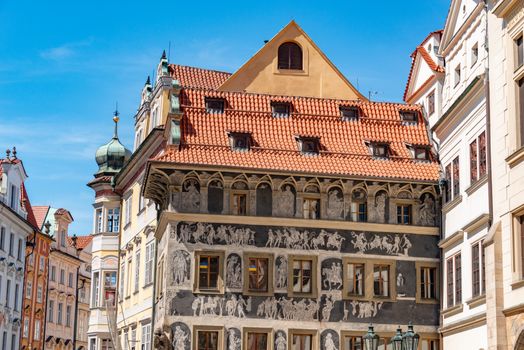
The Czech Republic has long been celebrated for its rich artistic heritage, from the haunting melodies of Antonín Dvořák to the bold modernism of Alfons Mucha. Yet, as the world of education evolves, so too must the ways in which the Czech education system fosters and adapts to the needs of arts education. The demands of 21st-century learners, the integration of technology, and the shifting landscape of cultural industries are pushing Czech educators, policymakers, and institutions to rethink and innovate. In this article, we explore how Czech education is actively responding to the challenges and opportunities of arts education through creative projects, new pedagogical models, and cutting-edge collaborations.
The Changing Landscape of Arts Education in the Czech Republic
Historically, the Czech Republic’s approach to arts education has been rooted in classical traditions. Art schools (základní umělecké školy, or ZUŠ) have played a pivotal role in nurturing generations of musicians, painters, and performers. However, recent data from the Czech Statistical Office shows a subtle but significant shift: while enrollment in traditional music programs remains strong, there has been a 14% increase in students choosing interdisciplinary and contemporary art forms over the past five years.
This change is driven by several factors: - A digital generation seeking new creative outlets - Globalization and exposure to international artistic trends - The growing importance of creative industries in the Czech economy, which now contribute over 3% to national GDP (Czech Ministry of Culture, 2023)As such, arts education is facing new expectations: to be more inclusive, multidisciplinary, and relevant to real-world challenges. Schools and educators are now striving to balance the preservation of Czech artistic traditions with innovation and adaptability.
.png)
Innovative Curriculum Models Integrating the Arts
One of the most significant reforms in Czech arts education is the incorporation of project-based and cross-curricular models. Rather than treating art as an isolated subject, many schools are embedding it into broader educational experiences.
For instance, the Creative Schools (Kreativní školy) initiative, launched in 2019 and piloted in over 30 schools across Prague, Brno, and Ostrava, encourages students to collaborate on projects that blend visual art, music, literature, and technology. In one project, students composed original musical pieces inspired by Czech poetry and brought these to life through digital animation, integrating skills from multiple disciplines.
These models are showing promising results: - Schools involved in Creative Schools report a 22% increase in student engagement and participation in the arts. - Teachers report improved collaboration skills and higher motivation among students, particularly those who previously felt disconnected from traditional arts education.Furthermore, the Czech National Institute for Education (NÚV) has developed new frameworks allowing for “open modules” in secondary education, where students can customize their learning journey by combining art with science, technology, and social studies. This flexibility is helping more students see the value of the arts in diverse career paths.
Leveraging Technology for Artistic Expression
Digital innovation is reshaping the arts and, by extension, arts education in the Czech Republic. Recognizing that young people are digital natives, educators are integrating technology into the creative process in ways that were unimaginable a decade ago.
Key examples include: - Digital art studios in secondary schools, where students use tablets and design software to create multimedia artworks. - The “Art & Code” project at Charles University, which teaches high school students the basics of programming through creative coding workshops. In 2023, more than 600 students participated, producing interactive installations and generative art. - Virtual reality (VR) in art history classes, allowing students to "visit" iconic Czech museums and galleries from their classrooms.A 2022 Ministry of Education survey found that 68% of secondary schools now offer some form of digital arts education—an increase of 31% compared to 2017.
Inclusive and Accessible Arts Initiatives
Another significant trend is the push to make arts education more inclusive and accessible. In the past, access to high-quality arts education was often limited to students in urban centers or those from privileged backgrounds. Today, Czech education is actively working to break down these barriers.
The “Art for All” (Umění pro všechny) program, launched in 2021, brings professional artists into rural and underserved schools. Over two years, it has reached more than 4,000 students in 50 towns, offering workshops in music, dance, and visual arts.
Additionally, specialized programs are supporting students with disabilities. For example: - The ZUŠ Open project, the largest festival of art schools in the country, includes workshops specifically designed for children with special needs. - The National Gallery Prague’s “Art Without Barriers” initiative provides tactile exhibitions and guided tours for visually impaired students.This focus on inclusion is helping ensure that every child in the Czech Republic, regardless of background or ability, can participate in and benefit from the arts.
Partnerships Driving Innovation in Czech Arts Education
Collaboration between schools, cultural institutions, and the private sector is proving essential to the continued vitality of arts education in the Czech Republic. These partnerships foster innovation, provide resources, and open up new opportunities for students.
A notable example is the “Museums in Schools” (Muzea do škol) project, a partnership between the Czech Association of Museums and the Ministry of Education. This initiative brings museum educators into classrooms, organizes student exhibitions, and provides free access to museums for school groups. In 2023, more than 18,000 students participated nationwide.
Private sector involvement is also growing. Technology companies like Avast and Seznam.cz have sponsored digital media labs and art-tech competitions, connecting students with mentors from the creative industries.
These partnerships are not only enriching the educational experience but are also helping to align arts education with the needs of the 21st-century workforce.
Arts Education in the Czech Republic vs. Other EU Countries
To better understand the Czech Republic’s position, let’s compare some key aspects of arts education with selected EU countries:
| Country | Percentage of Schools Offering Digital Arts (2023) | National Arts Education Funding per Student (€) | Major National Arts Education Initiative |
|---|---|---|---|
| Czech Republic | 68% | 120 | Creative Schools, ZUŠ Open |
| Germany | 72% | 180 | Kulturagenten für kreative Schulen |
| Finland | 79% | 210 | Art Testers, Taidekasvatus |
| Poland | 61% | 95 | Art Everywhere (Sztuka wszędzie) |
This comparison shows that while the Czech Republic is not the highest spender per student, its adoption of digital arts is on par with larger EU countries. Its unique blend of tradition and innovation, along with nationally coordinated initiatives, positions it as a leader in Central Europe.
The Future of Arts Education: Challenges and Opportunities
Despite these successes, several challenges remain. Teachers often need more training in digital tools and contemporary art forms, and there are concerns about ensuring long-term funding for innovative projects. A 2023 survey by the Czech Teachers’ Union found that 46% of arts teachers felt only “partially prepared” for integrating technology into their classes.
However, the momentum is clearly positive. Educational policymakers are working with universities and NGOs to provide more professional development. There’s also a growing recognition of the value of arts education not just for cultivating future artists, but for fostering creativity, critical thinking, and emotional intelligence in all students.
Looking ahead, the Czech Republic’s ability to continue evolving its arts education will depend on sustained investment, ongoing innovation, and a commitment to making the arts accessible to everyone.
Arts Education’s Vital Role in the Czech Republic
Arts education in the Czech Republic is undergoing a dynamic transformation, balancing deep-rooted traditions with forward-thinking innovation. Through new curriculum models, technological integration, inclusive initiatives, and strong partnerships, Czech education is rising to meet the diverse needs of today’s learners. While challenges persist, the collective efforts of educators, policymakers, and cultural institutions are ensuring that the arts remain a vibrant, essential part of Czech education and society.