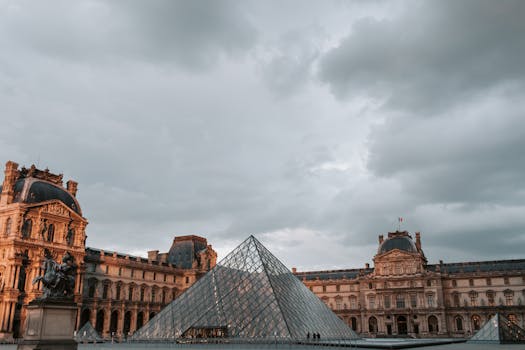
The profound impact of heritage and traditions on our global society cannot be understated. These cultural elements not only connect us to our historical roots but also shape contemporary practices and social norms, influencing everything from individual identities to collective values.
- Cultural Identity and Unity
Heritage and traditions form the backbone of cultural identity, giving individuals a sense of belonging and unity. This is particularly important in a globalized world, where the forces of modernization and international interaction could otherwise dilute individual cultures. Traditional festivals, languages, and customs reinforce a shared history and values, strengthening community bonds and ensuring cultural continuity.
- Global Diversity and Interconnectivity
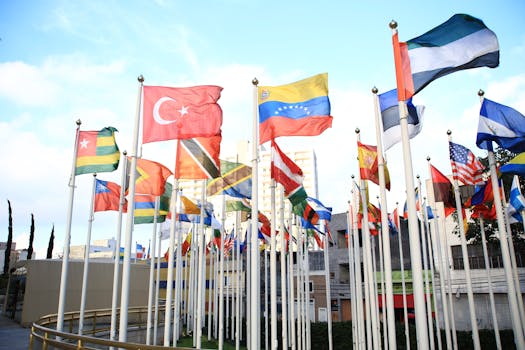
Traditions and cultural heritage also enhance global diversity, offering a rich tapestry of human expression and ways of life. As people around the world celebrate their unique traditions, they contribute to a broader understanding and appreciation of cultural diversity. This interconnectivity fosters international respect and cooperation, as people are more likely to empathize with cultures they understand and appreciate.
.png)
- Socio-Economic Impact
Economically, heritage and traditions can be significant drivers of growth. Cultural tourism, for instance, not only boosts local economies but also creates jobs and supports local businesses. Traditional crafts and industries, such as textile weaving or pottery, not only preserve ancient skills but also offer unique products in the global marketplace, often fetching a premium due to their authenticity and craftsmanship.
- Education and Knowledge Sharing
Educationally, integrating heritage and traditions into curricula plays a crucial role in broadening students' perspectives, promoting cultural awareness and sensitivity. It helps young people understand the historical contexts of different societies, enhancing their global knowledge and preparing them for more effective interaction in an increasingly interconnected world.
- Challenges of Preservation
However, preserving this heritage is not without challenges. Urbanization, environmental changes, and economic pressures can endanger traditional practices and historic sites. It is crucial for both local communities and international bodies to work together to safeguard these cultural treasures. This involves not only physical preservation but also the revitalization of practices that may be waning due to modern influences.
Preservation Efforts Efforts by organizations like UNESCO, as well as local governments and community groups, play a vital role in these preservation activities. Initiatives can range from legal protections and financial support for artisans to educational programs and public awareness campaigns about the value of cultural heritage.
Conclusion In conclusion, the influence of heritage and traditions on our global society is multifaceted, impacting cultural identity, economic development, and international relations. As we face the future, it is imperative that we continue to cherish and preserve our cultural heritage, recognizing it as a vital component of human civilization and a bridge between the past and the future. This ongoing commitment will ensure that our diverse cultural landscapes not only survive but thrive in an ever-changing world.